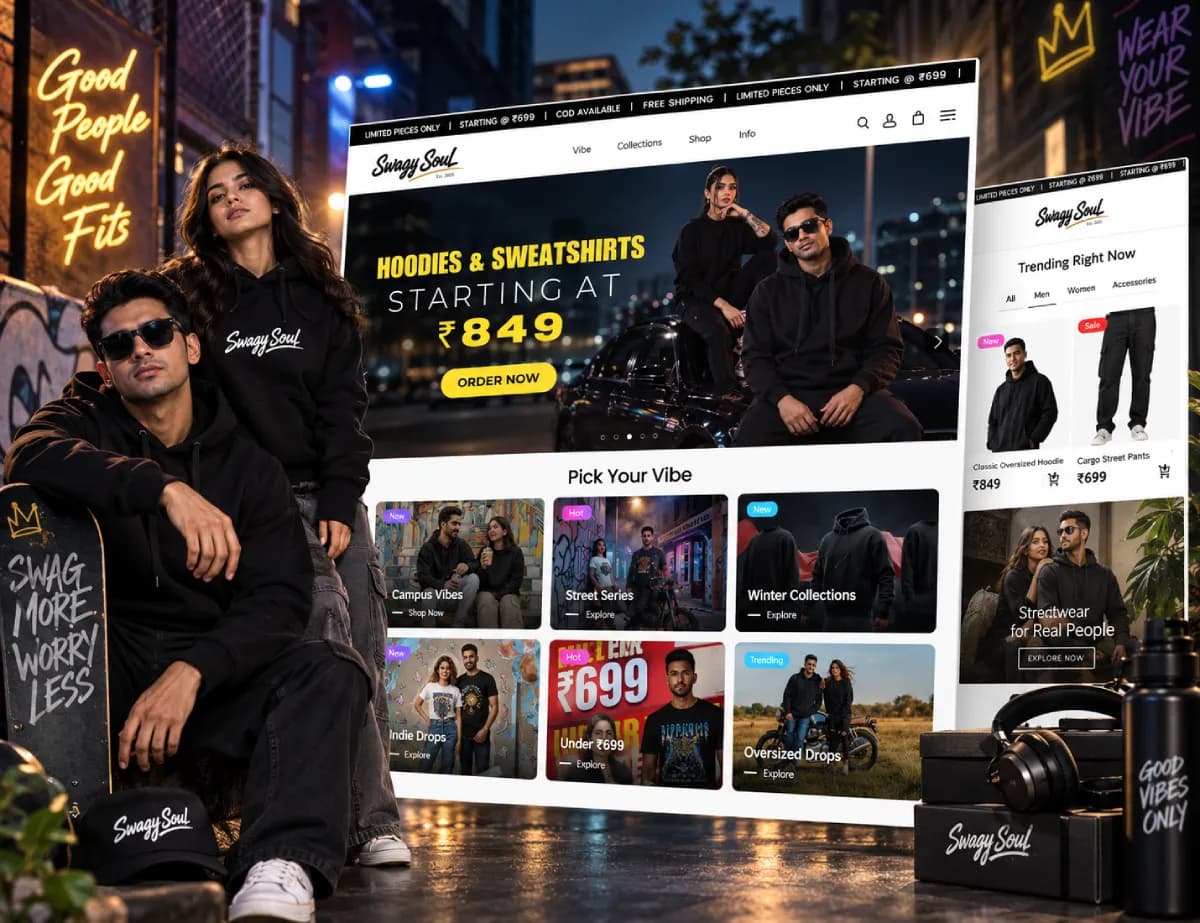


B2C & consumer brands
B2C marketing agency for brands judged in a second.
Tech Conversion is a B2C marketing agency for consumer brands in India, the UAE and the USA, researching where their customers search and scroll before building the site and running the search, social and creator work behind it, with advertising claims and disclosures checked as part of the work rather than corrected later.
A consumer brand is judged in about a second, mostly on a phone. Distinctiveness is not decoration here, it is the entire mechanism of being remembered.
- Who signs
- An individual, deciding emotionally, on a phone, in a few seconds.
- How long it takes
- Immediate for small purchases, a few days of comparison for larger ones.
- What starts it
- A social post, a recommendation, an ad, or a moment of need.
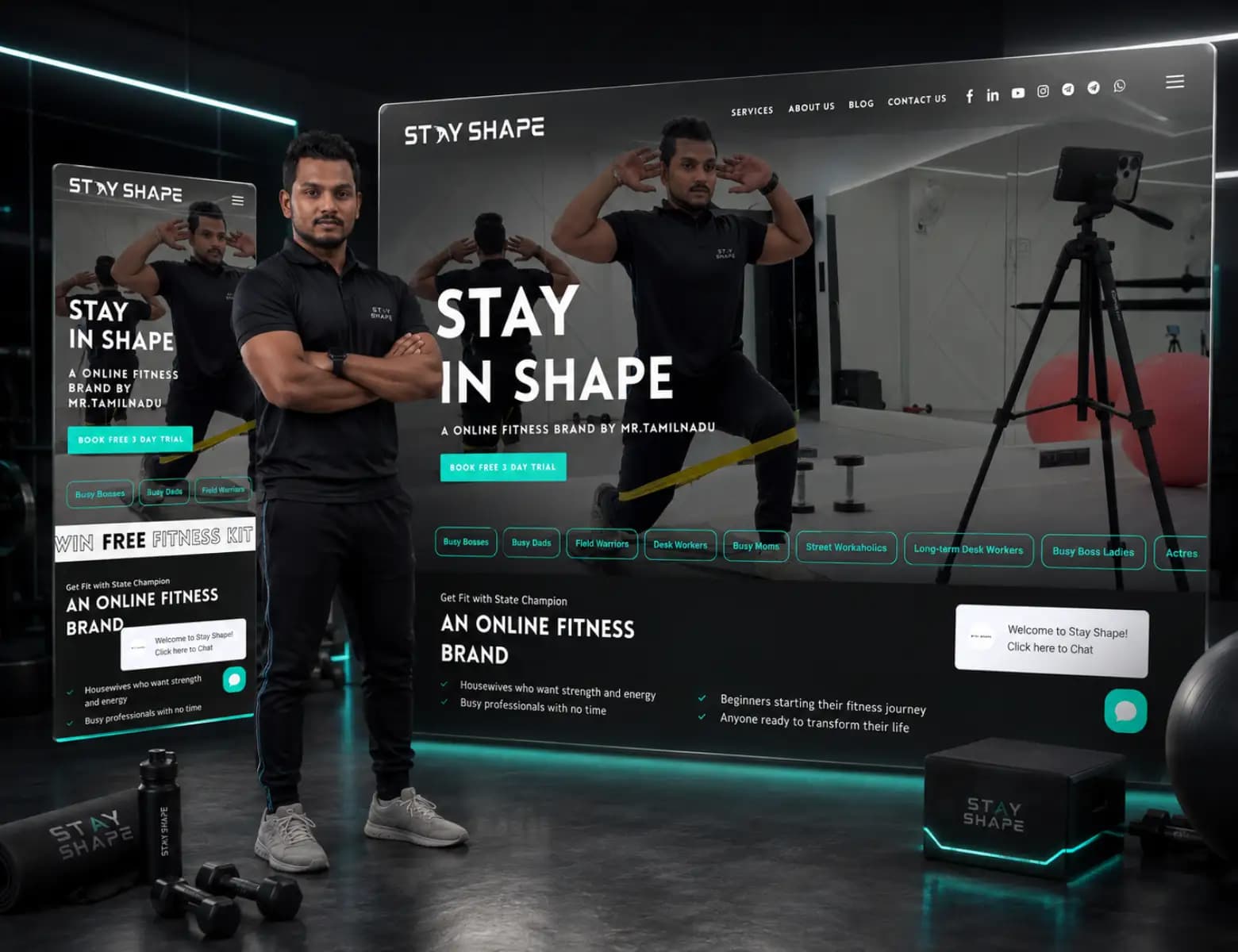
Already built in this sector
B2C & consumer brands, for these businesses
From this sector
The work we can show you
Live sites, not mockups. Where a written case exists it is linked; where we hold a before and after, that is linked instead.
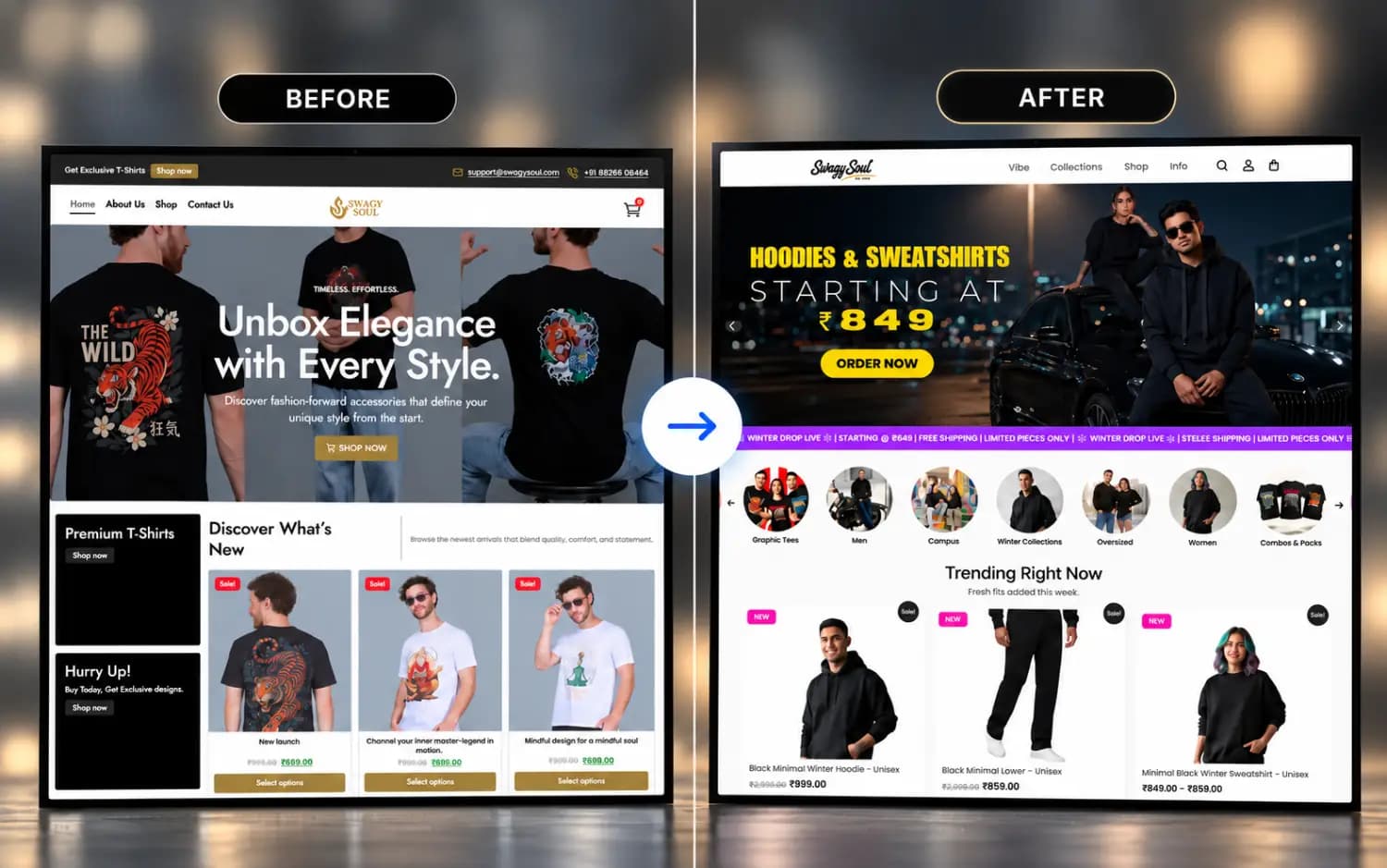
Before and after · Consumer brandSwagy SoulA consumer brand rebuilt around product and proof, so browsing turns into buying without a detour.Compare them
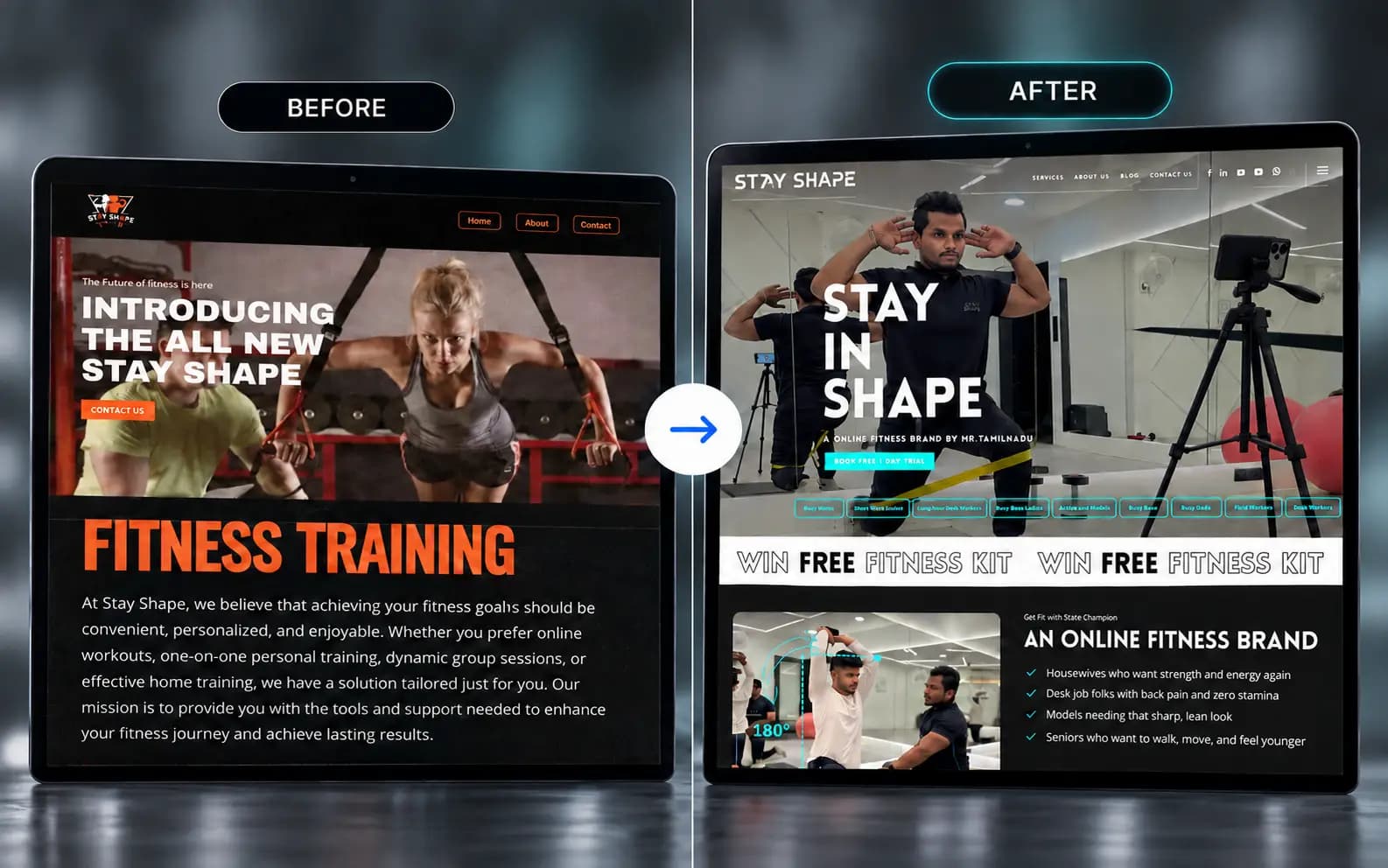
Before and after · Fitness & wellnessStayShapeA wellness brand moved from a template look to something people trust with a subscription.Compare them
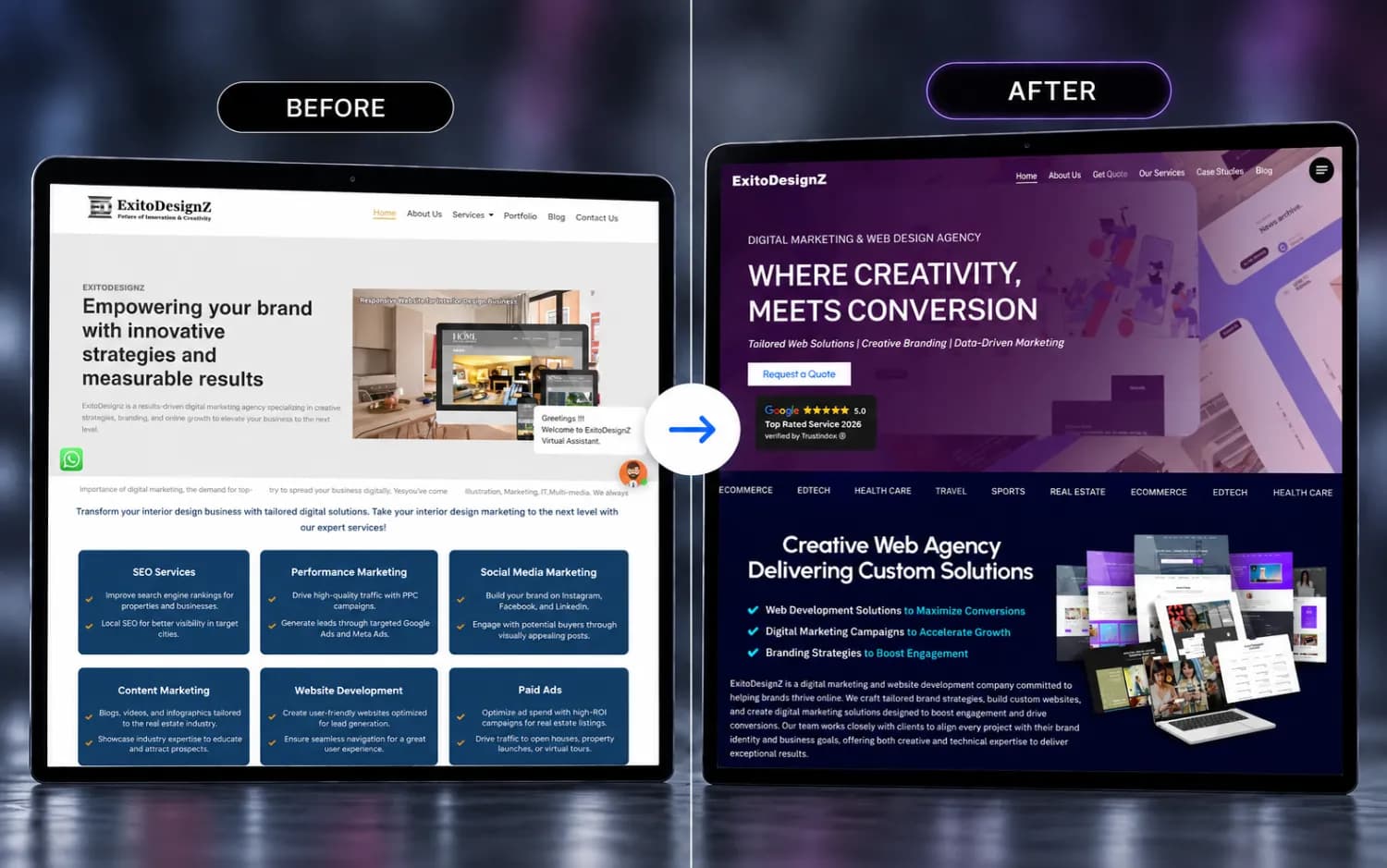
Before and after · Design studioExito DesignzA design studio whose old site undersold the work; the rebuild puts the portfolio first and the pitch second.Compare them
Risks and exposures
The risks a B2C advertising agency has to manage
Where a website or a campaign in this sector creates a liability rather than an enquiry.
A creator claim the brand cannot substantiate
A paid post describing a result the product has no evidence for is the brand's claim, and a disclosure buried under a row of tags does not repair it. The brief is where this is prevented or created.
Before-and-after imagery
Restricted by the advertising standards and by the platforms' own policies, particularly for anything touching health, weight or skin. It is the single most common reason a consumer brand's account is restricted.
Listings missing the pack declarations
A product page written purely as brand copy leaves out net quantity, the price inclusive of taxes, the manufacturer or importer and the consumer care contact that the pre-packaged goods rules require on the listing.
A marketing list built without separate consent
A checkbox bundled into the checkout, an unsubscribe that only covers email while the messages continue elsewhere, or a list acquired from somebody else. Consent has to be separate, recorded and revocable.
What we do about it
What a B2C digital marketing agency should build first
The plays that are specific to B2C & consumer brands, rather than the ones every site gets.
- 01
Find where demand comes from first
Before any design we look at what your customers search for, which brands they compare you with and which channels already bring buyers. Some products are searched for and others are discovered on social, and the plan follows that.
- 02
Design for the phone first
Not adapted down. Composed for the screen where the decision is actually made.
- 03
Commit to a distinctive identity
A specific palette, typeface and voice, applied without exception. Consistency is what builds recognition.
- 04
One brand everywhere
The site, the feed and the packaging visibly the same company, with templates that make consistency the easy option.
- 05
Build shareable moments
Something worth a screenshot, designed deliberately rather than hoped for.
- 06
Speed as a design constraint
Rich visuals that still load fast, because consumer patience on mobile data is thin.
- 07
Social and site as one system
Campaigns landing on pages that continue the same message rather than restarting it.
- 01Find where demand comes from first. Before any design we look at what your customers search for, which brands they compare you with and which channels already bring buyers. Some products are searched for and others are discovered on social, and the plan follows that.
- 02Design for the phone first. Not adapted down. Composed for the screen where the decision is actually made.
- 03Commit to a distinctive identity. A specific palette, typeface and voice, applied without exception. Consistency is what builds recognition.
- 04One brand everywhere. The site, the feed and the packaging visibly the same company, with templates that make consistency the easy option.
- 05Build shareable moments. Something worth a screenshot, designed deliberately rather than hoped for.
- 06Speed as a design constraint. Rich visuals that still load fast, because consumer patience on mobile data is thin.
- 07Social and site as one system. Campaigns landing on pages that continue the same message rather than restarting it.
What this sector usually needs
B2C digital marketing services that apply here
Linked rather than re-explained. Each one has its own page with what it includes, what it costs and how it runs.
Custom websitesA site written from scratch for your business, not bent out of a theme.EcommerceOnline stores built around the moments people abandon: unclear pricing, slow product pages, and a checkout that asks for more than it needs.Social media marketingA visual and verbal identity that holds together across every channel, and a content system that keeps it fed without burning out one person.Meta AdsA Facebook ads agency for people who are not searching for you yet.
The rules you work under
Regulatory framework
The regulators, statutes and standards this sector is subject to, and what each one changes about a website or a campaign. Linked to the source, so you can check us. This is not legal advice.
- ASCI influencer guidelines↗
A material connection has to be disclosed prominently and upfront, in a label the average viewer will notice, on the platform where the post appears. The brand is answerable for what a paid creator claims about the product, which makes the brief part of the compliance, not part of the creative.
- Consumer Protection Act, 2019 and the CCPA guidelines on misleading advertisements↗
Cover bait pricing, free claims, surrogate advertising and disclaimers that contradict the main claim. A discount has to reference a price genuinely charged and an endorsement requires due diligence before it is published rather than an apology after.
- Legal Metrology (Packaged Commodities) Rules, 2011↗
A pre-packaged product sold online carries on its listing the declarations the pack carries: net quantity, retail sale price inclusive of taxes, manufacturer or importer details, consumer care contact and expiry where it applies. Own-store listings are usually the last place these get added.
- Meta Advertising Standards↗
Set out prohibited and restricted categories, the treatment of before-and-after imagery, personal attribute claims and body-image rules. They decide whether an advertising account stays open, which makes them a commercial risk rather than a compliance footnote.
- PCI DSS, through the payment gateway↗
Card data belongs with the gateway. A brand's site should never accept card details into its own form, write them to a log, or let a session recording or heatmap tool run over the payment screen, which is the most common way a small store ends up in scope.
- Digital Personal Data Protection Act, 2023↗
Accounts, addresses, order history and the marketing list are personal data. Consent to marketing has to be separate from the purchase, the purpose stated where it is collected, and an unsubscribe has to be honoured across every channel the brand uses rather than only the one it arrived through.
What we measure
How a B2C marketing firm should be judged
We do not publish industry benchmarks we cannot source. What we can say is exactly what gets measured for a client in this sector, and how.
Revenue and orders reconciled to the back office
Platform-reported conversions compared each month against the actual order list, because every advertising platform counts its own contribution generously and they cannot all be right at once.
New customers separated from returning ones
Orders split by whether the buyer has purchased before, so the effect of the owned channels can be told apart from the effect of the advertising spend rather than shared out between them.
Landing page completion by creative
How far visitors from each advertisement or creator post get down the page, by device, so a weak result can be placed on the creative or on the page instead of argued about.
Demand for the brand's own name in search
Impressions and clicks on the name itself, tracked over time, because a campaign that is genuinely building a brand shows up there before it shows up in anything attributed.
Questions
B2C marketing agency questions, answered
What B2C & consumer brands buyers ask before they commission work.
What makes a good consumer brand website?
A distinctive identity applied the same way everywhere, a layout composed for a phone rather than shrunk to fit one, fast loading on mobile data and a clear next step. The test is whether a customer could describe what you sell to a friend in one sentence. Recognition matters more than completeness, because most visits are brief.
How important is mobile design for consumer brands?
It is the primary case, not a variant. The large majority of consumer traffic arrives on a phone, usually from social, so a design that works at desktop width and merely survives on mobile is optimised for the minority of visitors.
What does B2C website design need that B2B does not?
It has to move someone in one visit. There is no committee and no second meeting, and the visitor usually arrives from social on a phone, so the first screen has to carry the whole argument and make acting on it obvious. A distinctive identity, applied consistently, is how the brand gets remembered, and something worth a screenshot should be designed on purpose rather than hoped for.
Who is responsible when an influencer makes a claim about a product?
The brand is. Under the ASCI influencer guidelines a material connection has to be disclosed prominently and upfront on the platform the post appears on, and the claim itself has to be one the brand can substantiate. A brief that states what may be said, what may not, and how the disclosure has to appear, along with a record of the substantiation, costs less than withdrawing a campaign that has already run.
Why does a consumer brand need search when it runs paid social?
Because paid attention stops the day the budget stops. Search catches the person who saw a creator post, remembered the name and went looking a week later, and it is where comparison, ingredient, material and sizing questions get asked. The best SEO company for B2C brands starts from those questions, and the pages built to answer them are the same pages your advertising should land on.
What makes a direct-to-consumer product page convert?
Answering the doubt at the point it appears. A scale reference in the imagery, honest material or ingredient detail, delivery cost and date before the basket, the returns position in plain words, and reviews that read like people rather than like copy. For a pre-packaged product, the declarations the pack carries belong on the listing too, and putting them there settles more questions than it raises.
Do we need a B2C agency, or can we do this in-house?
You may need less help than you think. Plenty of brands run social in-house and only need support with the site, search and tracking, whatever larger B2C marketing companies suggest. If you need a new identity from scratch, naming or packaging, a specialist B2C brand agency is the better hire, and we can build the site and campaigns around their work.
How do we find the best advertising agency for B2C?
Look past the showreel. Ask how they will know whether a campaign sold anything, who will own the ad accounts and what they would tell you not to spend on. Most B2C marketing agencies can make an advert people like; far fewer can show it moved orders once returns are counted.
Do we need a separate content agency?
B2C brands rarely do. Most of the content that sells is product detail, sizing help and honest answers to common doubts, and it belongs with whoever builds the site. A specialist earns its fee when you publish often, such as recipes, guides or a creator series.
Can you guarantee sales or followers?
No, and be wary of any B2C marketing company that does. Sales depend on your product, your price, your competitors and platform changes nobody controls. What we promise is the work: research into where your customers search and scroll, a fast site, tracking checked against real orders, and steady improvement from what those orders show.
Adjacent sectors
Not quite your sector?
Ecommerce & retailMost stores do not have a traffic problem.Read moreEducation & trainingEvery prospective student is asking the same three things before anything else: what will it cost, how long will it take, and what happens afterwards.Read moreAll ten sectorsThe index, with what we know about how each one buys.See them all
Insights
The thinking behind the work, in the open.
We write up the problems we had to solve for a client: how answer engines change what a page has to say, and why a redesign that ignores search can cost a year of ranking. Working notes, not filler.
7 published
All writing