


Website development and marketing agency
Enterprise website development for sites that cannot break.
Tech Conversion handles enterprise website development for large organisations in India, the UAE and the USA whose sites have many editors, several regions and procurement checks, building the governance, security and structure that let a team run the site safely long after launch.
Large sites with many editors, several regions and real integration requirements. Built so that scale, security review and staff turnover do not become outages.
- Roles and workflow
- Integration layer
- Environment discipline
- Security posture
Typical timelineThree to six months, phased so the first region can launch before the last one is designed.
Already built
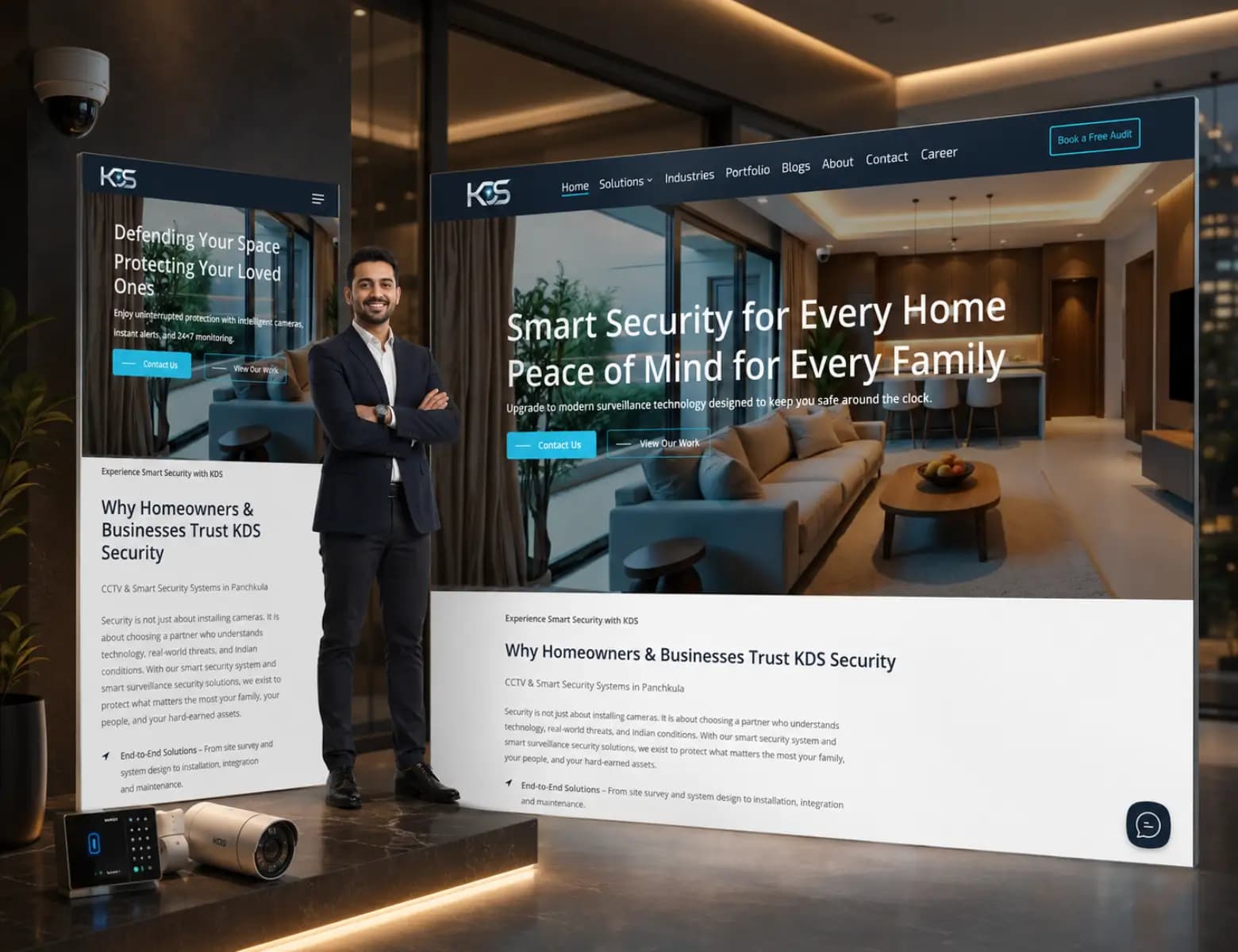
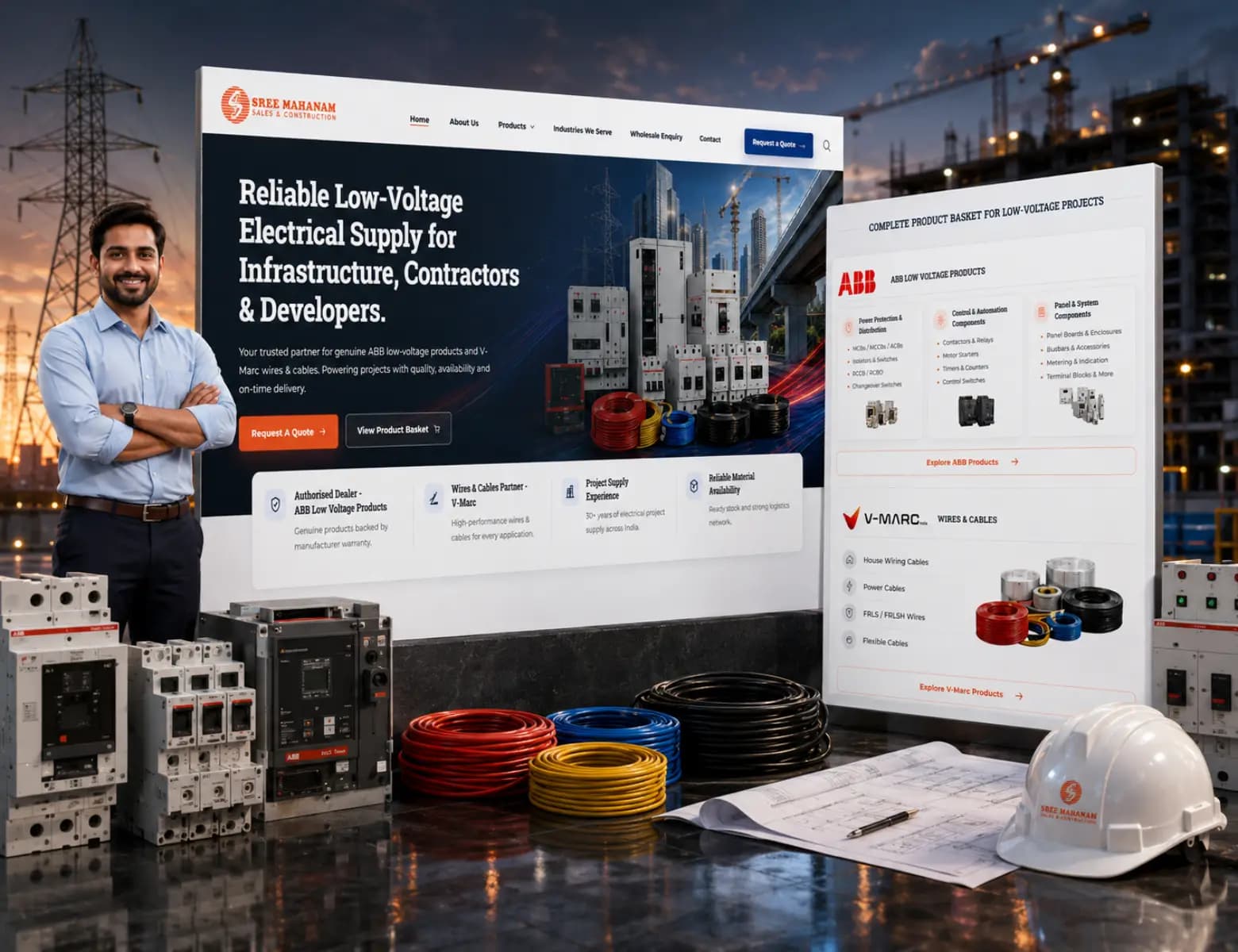
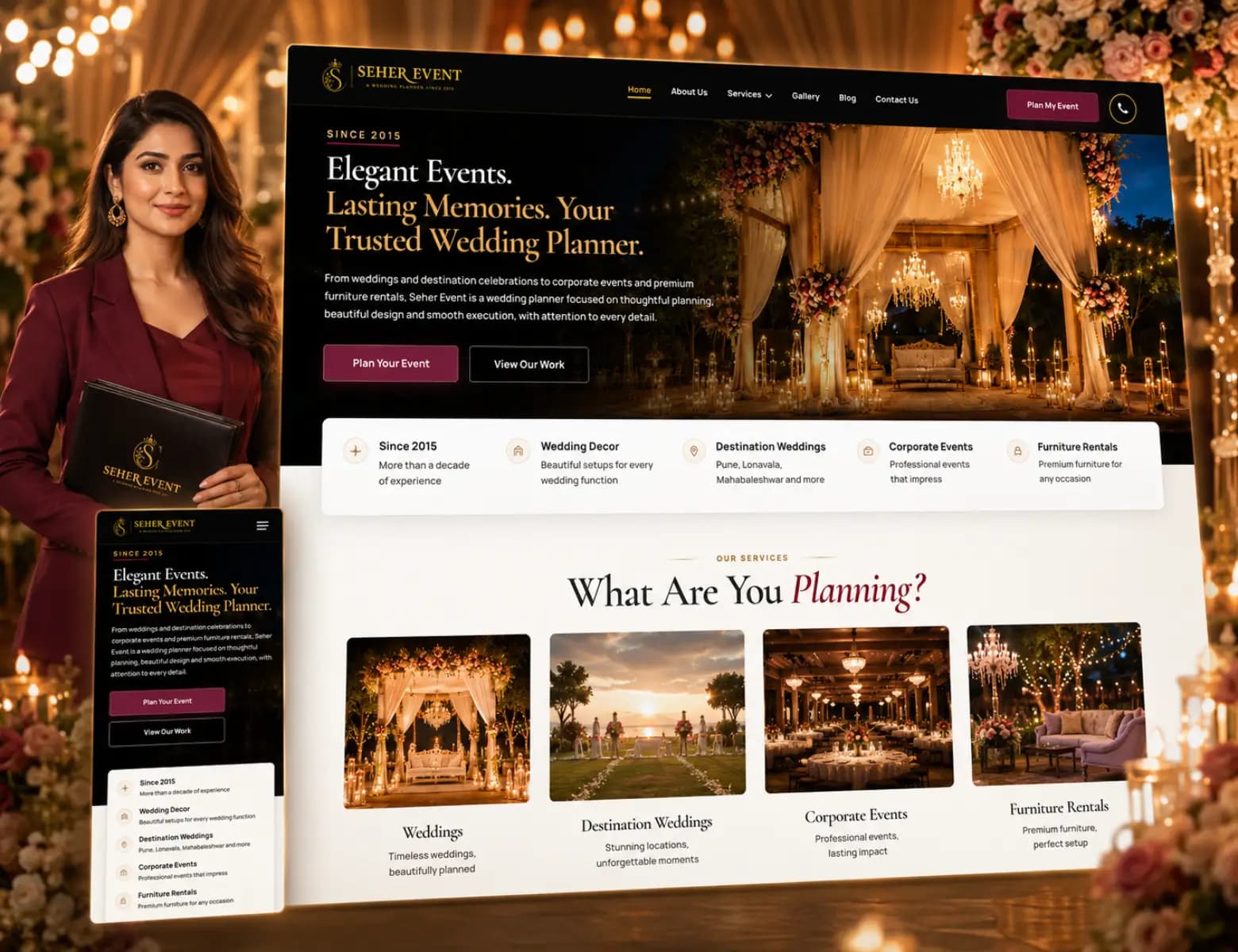
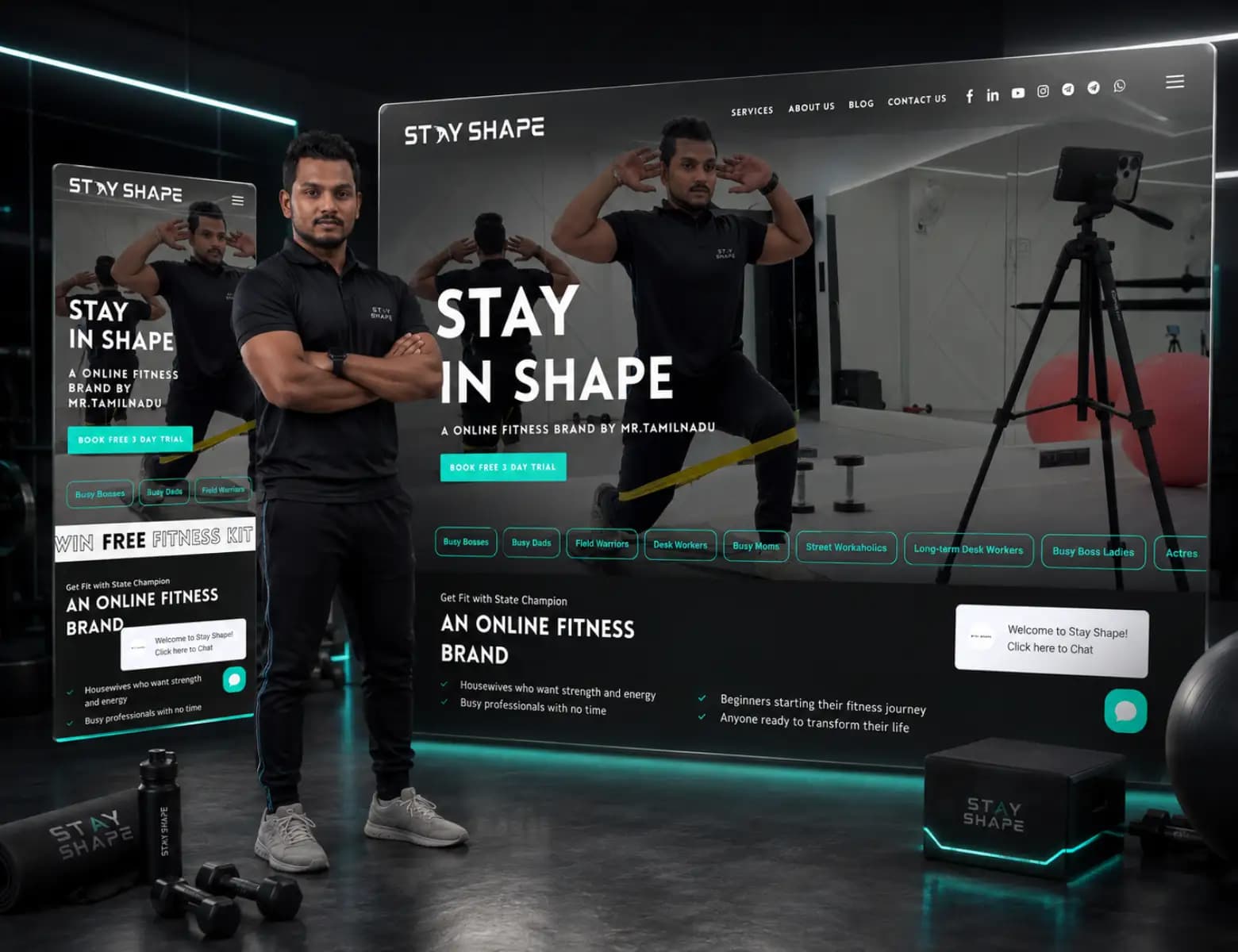
Enterprise websites, for these businesses
The website and SEO direction have helped us present our services more clearly and reach a more relevant audience.
Who needs this
The site outgrew the way it is run.
At enterprise scale the hard part stops being the build. Dozens of editors publish, procurement asks about security, IT asks about integrations, and legal asks who approved a page. A site that has no answers to those questions becomes a risk register entry.
Too many editors, no system
Marketing, HR and three regional teams all publish, and every one of them has invented their own page layout. The site no longer looks like one company.
Procurement has started asking questions
Accessibility, security and data handling now appear in the tenders you are answering, and the current site cannot survive the questionnaire.
The site has grown past its structure
Hundreds of pages accreted over years, no owner for most of them, and nobody can say which ones still matter.
Several markets, one brand
Regions need their own content and the brand needs to hold together across all of them, which a single template cannot do on its own.
- No one can say who is allowed to publish what
- Regional teams have quietly built their own sites
- Security review stalls every release
- The CMS and the CRM disagree about the same customer
What the work is
Large scale website development: what is in, and what is not
Said in both directions, so nothing is waiting to be added once the work has started.
Included, every time
- 01Roles and workflow
Draft, review and publish permissions that match your org chart, with an audit trail.
- 02Integration layer
CRM, marketing automation, ERP or internal APIs connected through a documented interface rather than plugins.
- 03Environment discipline
Local, staging and production with a promotion path, so nothing is edited live.
- 04Security posture
Dependency policy, headers, access control and a documented answer to the questions procurement asks.
- 05Regional structure
Language and country variants that share components but let local teams own their content.
- 06Performance at scale
Caching and rendering strategy chosen for your traffic pattern, then load tested.
Not included
- Hosting and infrastructure, which are provisioned in your name and billed to you at cost
- Security certification or audit, which is your auditor's work rather than ours
- Ongoing content production after handover, unless a retainer is agreed
- Integration licence fees for systems you do not already own
What changes
What you get out of it
For the business, not for the website. What we do is the previous section; this is what it is for.
A design system, not a pile of pages
Editors assemble pages from documented components. New pages look right by default rather than by review.
Governance that holds
Roles, permissions and approval paths defined, so the right people publish and the wrong people cannot.
A site that passes the questionnaire
Accessibility and data handling built in and evidenced, so the procurement stage stops being the place deals slow down.
Content somebody owns
Every page mapped to an owner and a review date, which is how a large site stops rotting between redesigns.
What it is held to
Standards and frameworks
Named, published and checkable. These are the frameworks the work is built to and tested against, not badges we claim.
- WCAG 2.2, level AA↗
The accessibility standard the build is tested against, and the one enterprise and public sector procurement asks about by name.
- Core Web Vitals↗
Performance thresholds held per template, not just on the homepage, because on a large site the templates are where speed is won or lost.
- OWASP Top 10↗
The reference list of web application risks that forms, logins, search and every integration are checked against before launch.
- ISO/IEC 27001↗
The security expectations enterprise procurement teams check against. Named here because the site has to answer to them, not because this firm holds the certification.
- Digital Personal Data Protection Act, 2023↗
Shapes what forms may collect, what notices must say, and how consent is recorded and withdrawn across a site with many entry points.
- schema.org structured data↗
Organisation, breadcrumb, FAQ and article markup written into the templates so a site of this size stays legible to search and answer engines.
How it runs
Enterprise CMS development, step by step
Six steps, and what each one hands you at the end of it.
- 01
Audit the estate
Every page inventoried with its traffic, its owner and its purpose. Most enterprise projects discover here that a third of the site can go.
You getA content inventory with a keep, merge or retire decision on each page.
- 02
Model the governance
Who publishes what, who approves it, and what happens when nobody does. Agreed before the build, because it decides the build.
You getA roles and permissions model, and an approval workflow.
- 03
Design the system
Components and page templates designed as a system with rules, so editors can compose pages that look right without a designer.
You getA documented component library and page templates.
- 04
Build and integrate
The platform, the templates, the search, and the connections to whatever you already run. Performance and accessibility budgets enforced per template.
You getThe site on staging, integrations working, editors able to log in.
- 05
Migrate and redirect
Content moved against the inventory, every retired URL given a destination. On a site this size the redirect map is the launch risk.
You getMigrated content and a complete, tested redirect map.
- 06
Train and hand over
Editor training by role, written documentation, and the code and accounts in your name.
You getTrained editors, documentation, source code and every login.
- 01Audit the estate. A content inventory with a keep, merge or retire decision on each page.
- 02Model the governance. A roles and permissions model, and an approval workflow.
- 03Design the system. A documented component library and page templates.
- 04Build and integrate. The site on staging, integrations working, editors able to log in.
- 05Migrate and redirect. Migrated content and a complete, tested redirect map.
- 06Train and hand over. Trained editors, documentation, source code and every login.
What lands, and what you bring
Deliverables, timeline and what we need from you
You receive
- Architecture and integration documentation
- Role-based publishing workflow
- Staging and production environments
- Security and dependency policy
- Editor training per region
- Runbook for the team who inherits it
How long
Three to six months, phased so the first region can launch before the last one is designed.
You bring
- A named project owner with authority to settle disagreements between teams
- Access to the current platform, analytics and any integration you need kept
- Your brand guidelines, and a decision on who owns them during the project
- The list of systems the site must connect to, and a contact for each
- Time from the people who will edit the site, for training and for review
What it costs
Priced as a website engagement
Priced as a website engagement, at the larger end of it. An enterprise build is scoped in phases and quoted per phase, so you can stop after the audit if the inventory tells you something you did not expect.
Starts from
₹25,000
$500 if you pay from outside India.
Four to six weeks, longer for a store
All three engagements, side by sideWhat moves the figure
- How many pages, and how many survive the inventory
- How many editor roles and approval paths
- Integrations, and how cleanly each system allows them
- Languages, regions and whether content is translated or rewritten
A written quote follows the strategy discussion. Nothing is added afterwards that was not named in it.
Where it goes wrong
Where enterprise website projects go wrong
The mistakes we see most, including ones we have made. Worth knowing before you buy this from anyone.
Migrating everything
The instinct is to move the whole site. A third of it usually has no traffic, no owner and no purpose, and carrying it across is paying to keep a problem.
Designing before governance
If nobody has decided who approves what, the design cannot express it, and the site reverts to chaos within a quarter of launch.
Treating accessibility as a launch test
On a large site, retrofitting accessibility is a rebuild. It is a constraint on the component library or it does not happen.
An incomplete redirect map
The single most expensive enterprise launch mistake. Every URL with traffic or a backlink needs a destination, and the map has to be tested before the switch, not after.
The honest comparison
What else you could do
Including the options where you do not hire us. One of them is right for some readers of this page.
Fix the governance, keep the site
The platform is fine and the problem is that nobody owns the content. Cheaper and often the actual fix.
Internal time, and a content model somebody has to maintain.
Phase it: audit first, decide later
You suspect the site is bigger than it needs to be and want the inventory before committing to a rebuild.
The first phase only. We quote it separately for this reason.
A corporate build from us
Fewer than a hundred pages, one or two editors and no procurement questionnaire. Most of the benefit at less than the cost.
Less than an enterprise engagement. See the corporate websites page.
An enterprise build from us
Many editors, several markets, real governance and procurement scrutiny.
From the starting price on this page, quoted per phase.
Proof
A real one, not a mockup
DiscoverMSPs is the closest published example: a complex data business with several audiences and a product to explain, rebuilt as one structured, search-ready site. The figures on the case are the client's own.
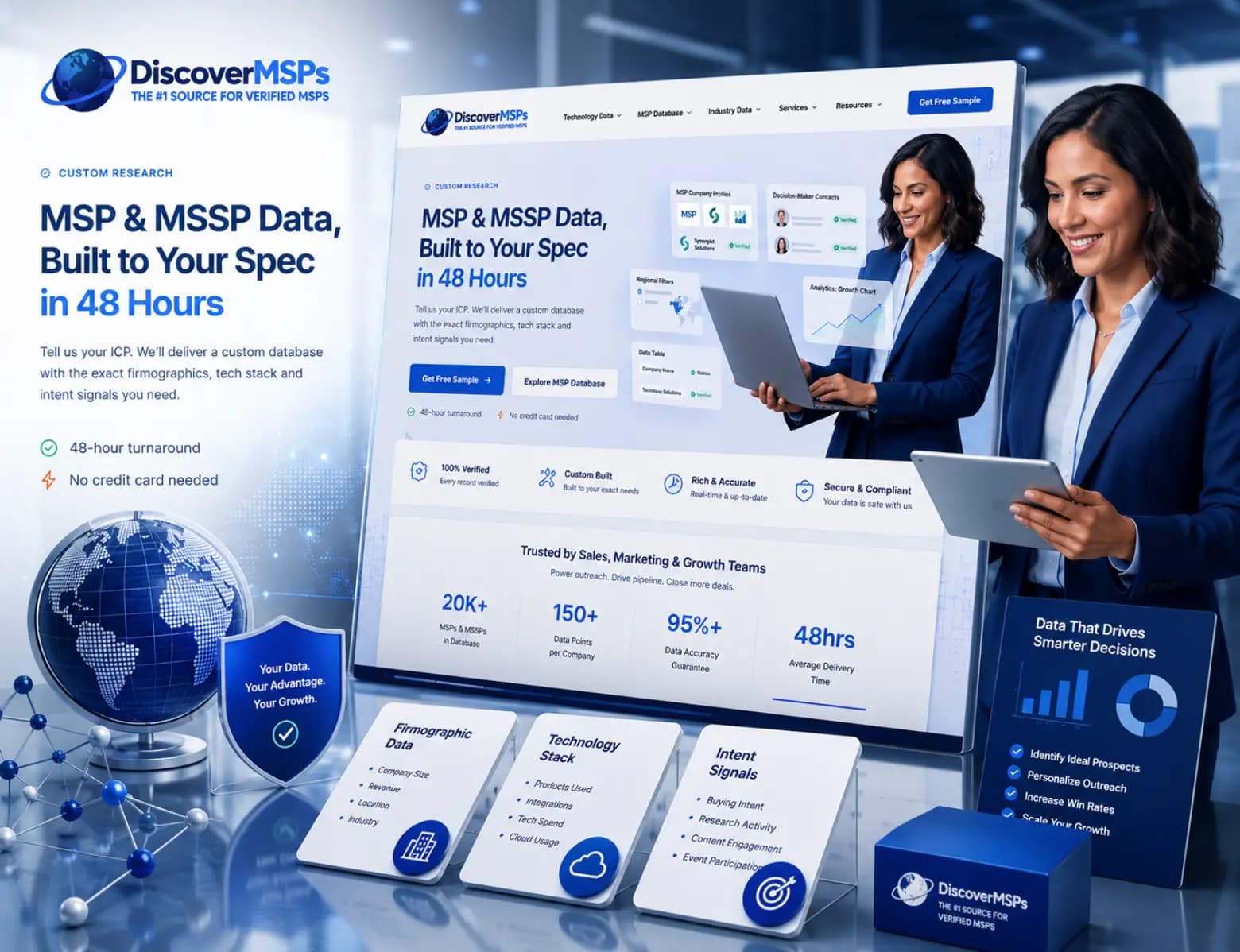
B2B data platform
DiscoverMSPs
A data platform that sells its own subscriptions.
Read the caseWho delivers it
Who you will actually work with
The people who scope this work are the people who do it. 6 department heads and two directors, one team.
 Mohammed Imran MFounder & Director
 Rohit NagarHead of Creative Design
 SakshiHead of SEO & Organic Growth
Questions
Questions to ask an enterprise web development agency, answered
The things people ask about enterprise websites before they buy it.
What makes a website an enterprise website?
Its operating requirements, not its page count. An enterprise website has several teams publishing, approvals that matter, procurement questions about accessibility and security, and a structure that must keep working after the people who built it have gone. In practice that means role-based publishing with an audit trail, separate staging and live environments, documented integrations, and regional teams who can publish without a developer.
What does an enterprise web development company handle that others do not?
Governance more than pages. Large scale website development is mostly about who may publish, who approved it, what happens when a regional team wants its own version, and what procurement asks in month four. Enterprise CMS development that ignores those questions launches well and becomes a risk to the business within a year.
Can you work with our existing CMS and IT team?
Usually, yes. We first check whether the current platform is really the problem, because a migration is expensive and often fixes something better governance would have fixed for less. We work to the review and release process your IT team already has. If we think you should move, we explain why in writing and leave the decision with you.
How long does an enterprise website project take?
Three to six months is typical, and longer than the build alone suggests. The audit and the governance decisions come first, and that is where the time goes. The migration usually takes longer than anyone expects, so we quote and plan the work one phase at a time rather than guessing the whole timeline at the start.
How much does enterprise website development cost?
It is priced as a website engagement at the larger end, and quoted one phase at a time. The audit comes first and can be bought on its own, so you can stop there if the inventory shows something you did not expect. The figure moves with how many pages survive the audit, how many editor roles and approval steps there are, the integrations, and the number of languages and regions.
What do enterprise web design services cover that a corporate build does not?
Governance. Enterprise web design services add role-based publishing, a structure for several markets, procurement and legal review, and a record of who changed what. The design work is similar. The way the site is run afterwards is not.
How do we choose an enterprise website development company?
Ask how they govern content across several markets, ask to see their accessibility testing, and ask what happens when your security team sends a questionnaire. An enterprise web development agency that has done this before answers from experience rather than with a promise.
What will you not promise on an enterprise project?
We will not promise that search rankings hold through a migration, because search engines decide that, although a tested redirect map is the best protection there is. We do not certify your security either: we build to the standards procurement checks, and certification stays with your auditor. What we do promise is a written inventory, an agreed governance model, a tested launch and documentation your team can use.
Often bought together
Related services
Corporate websitesA company site that reads as credible to a customer, a candidate and an investor at the same time, without turning into a brochure nobody finishes.Read moreDashboards & portalsMost web application development agencies start from a feature list.Read moreCustom websitesA site written from scratch for your business, not bent out of a theme.Read moreEvery serviceAll twenty-eight, in one index, with what each one starts at.See them all
Insights
The thinking behind the work, in the open.
We write up the problems we had to solve for a client: how answer engines change what a page has to say, and why a redesign that ignores search can cost a year of ranking. Working notes, not filler.
7 published
All writing