




Website development and marketing agency
Landing page design that gives every page one job.
Tech Conversion designs landing pages for businesses in India, the UAE and the USA that run paid campaigns, building one page for each promise with the message matched to the ad, so the clicks you already pay for become enquiries instead of bouncing off a homepage.
Single-purpose pages built for a campaign, tested against a real alternative, and shipped fast enough to matter while the budget is still running.
- Message match
- One action
- Objection order
- Form discipline
Typical timelineOne to three weeks per page. Faster when the campaign is already running.
Already built
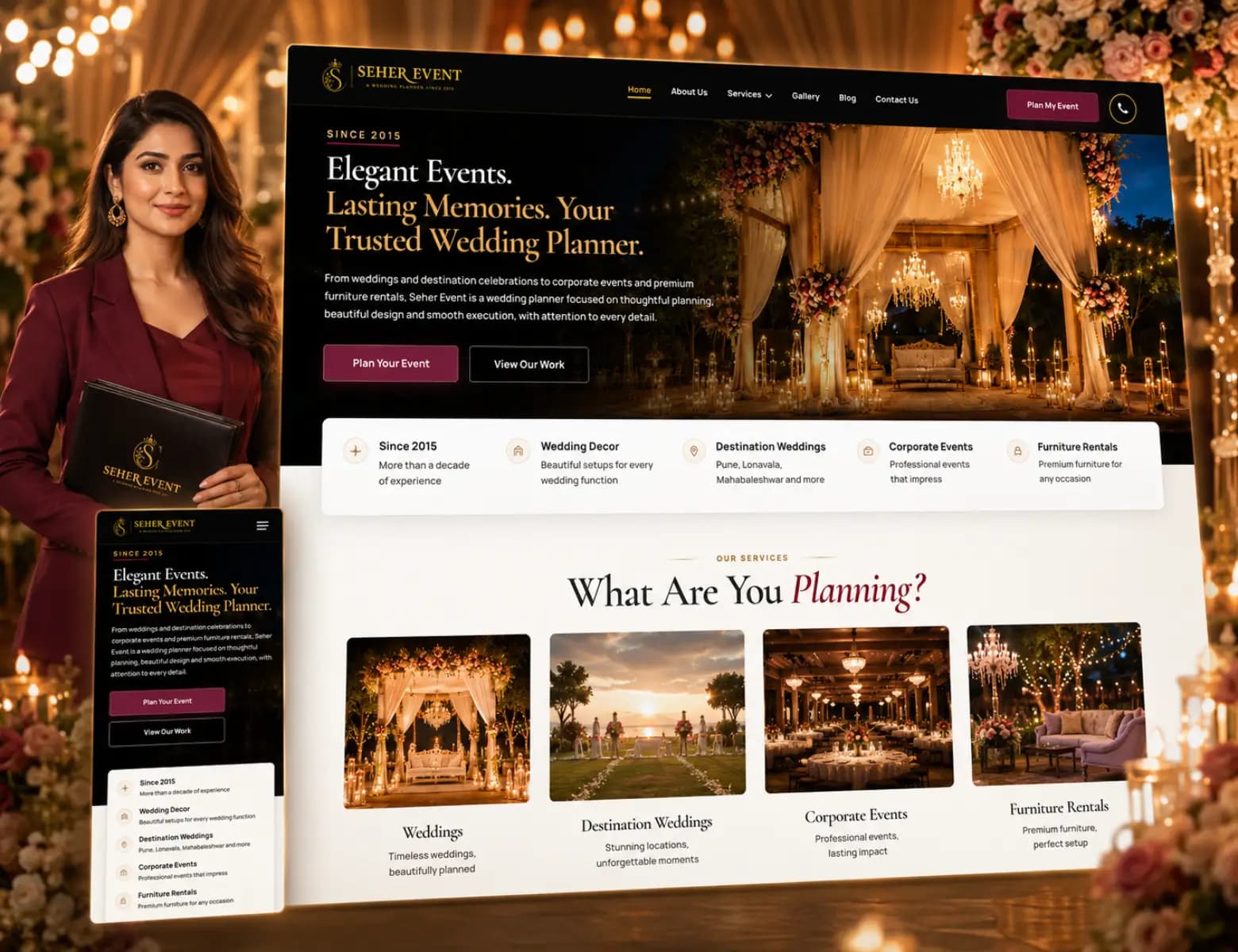
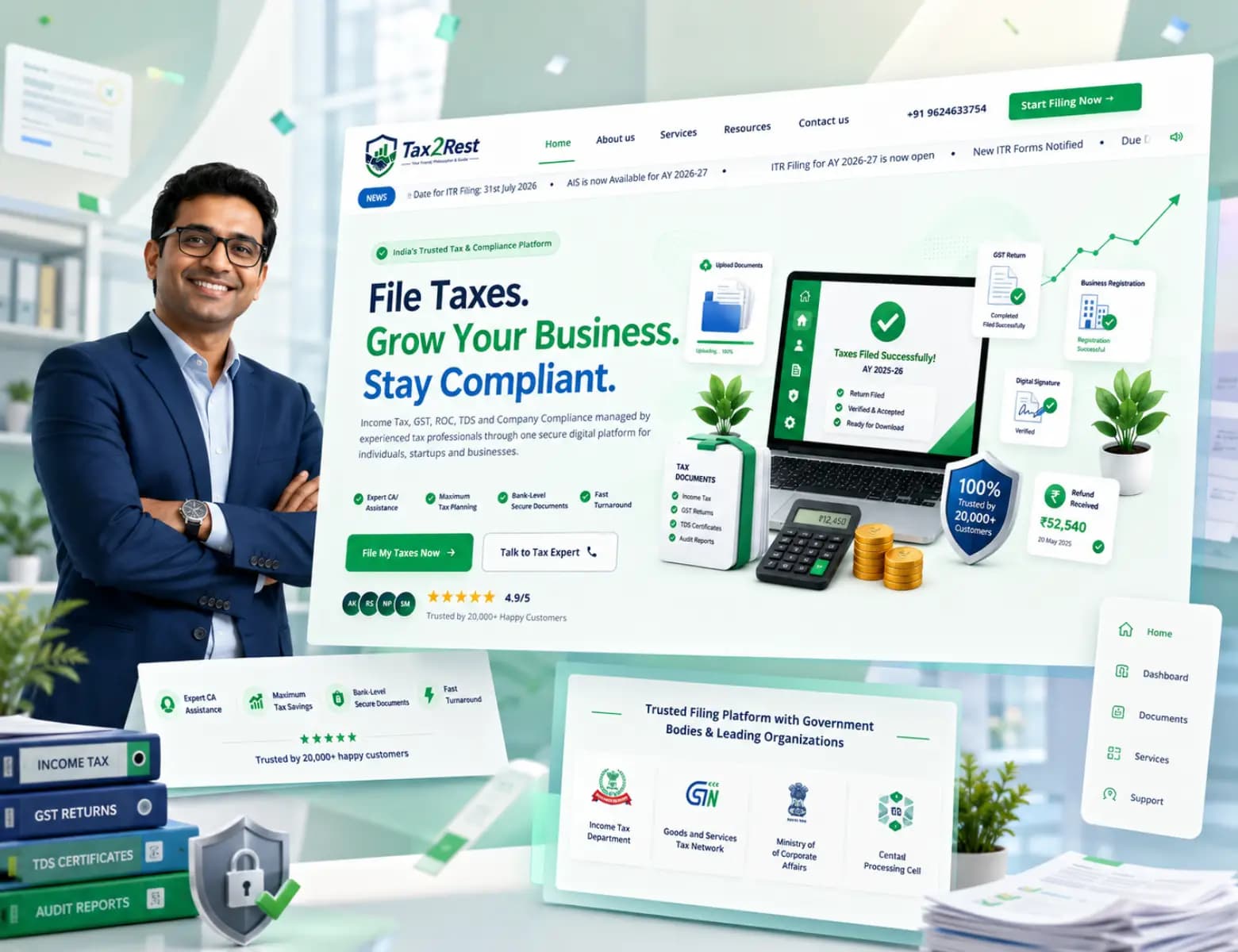
Landing pages, for these businesses
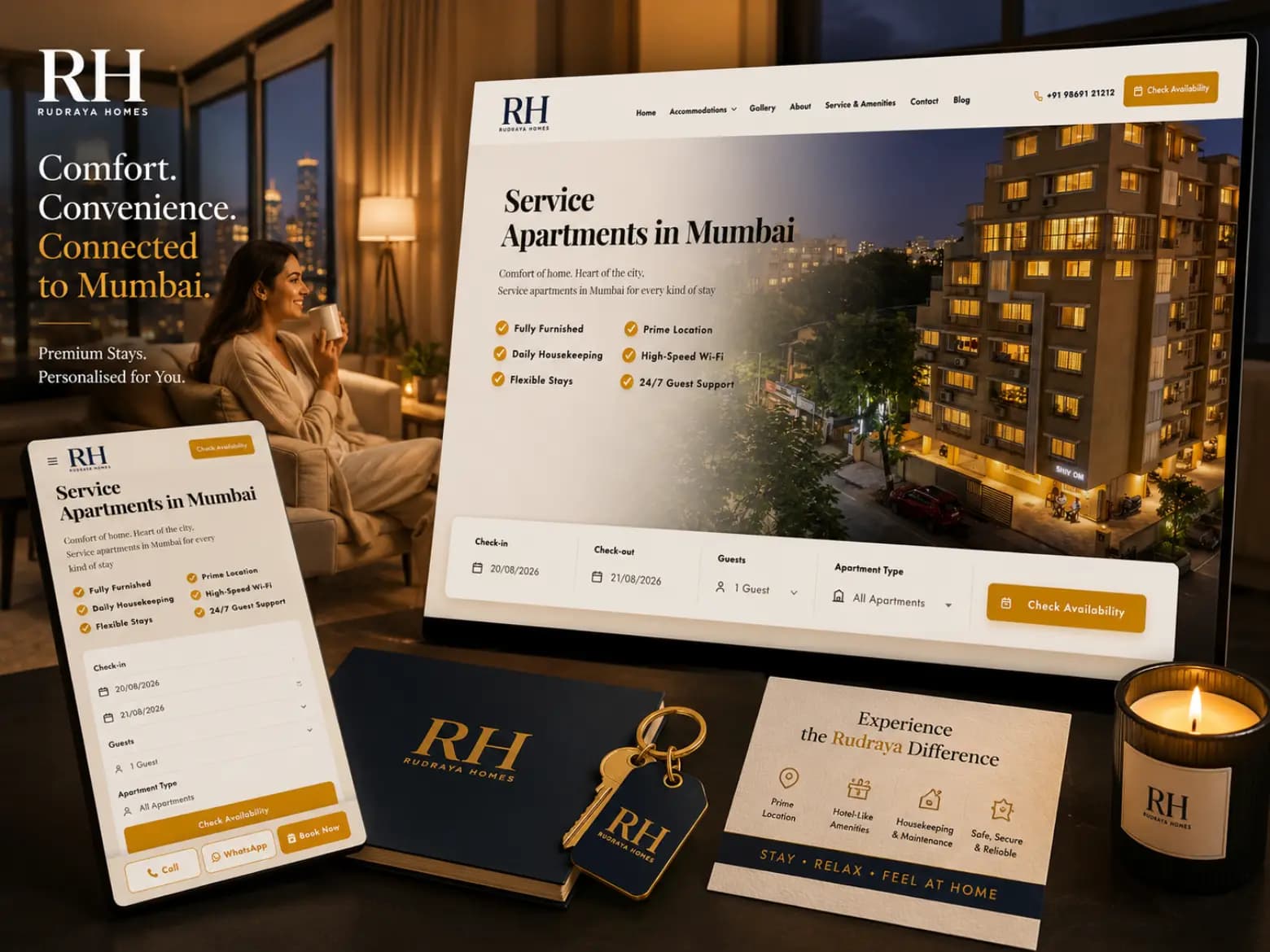
The redesign made our accommodations easier to explore and improved the overall booking experience across mobile devices.
Who needs this
The ad promised something the page does not mention.
Campaigns usually leak at the join. The ad speaks to one specific pain, the page it lands on is the generic homepage, and the visitor has to work out for themselves that they are in the right place. Most of them do not bother.
Your ads point at the homepage
The campaign speaks to one specific problem and sends people to a page that has to greet everybody. The visitor is left to work out for themselves that they are in the right place, and most of them do not bother.
The cost per lead is climbing and the click cost is not
Nothing changed in the auction. The page stopped earning the clicks you were already paying for.
You are launching one offer, not a website
A course, a trial, an event or a new product line. It needs a page live this week, not a rebuild that lands next quarter.
Nothing has ever been tested
The page has been live since the campaign started and no real alternative has run against it, so every opinion anybody holds about it is still an opinion.
- Ads point at the homepage or a service page
- Cost per lead climbs while click cost holds steady
- The page asks for a phone number before it has earned one
- No variant has ever been tested against the original
What the work is
What is in, and what is not
Said in both directions, so nothing is waiting to be added once the work has started.
Included, every time
- 01Message match
The page's opening line answers the promise made in the ad, in the visitor's own words.
- 02One action
A single conversion goal per page. Every other link is removed rather than demoted.
- 03Objection order
Proof, pricing clarity and risk reversal placed where the doubt actually appears, not all at the bottom.
- 04Form discipline
The fewest fields your sales process can work with, and a reason given for each one you keep.
- 05Speed
Built light. A paid visitor who waits is a paid visitor you bought twice.
- 06A variant to test
Shipped with a real alternative, not a colour change, so the test can teach you something.
Not included
- Advertising spend and ad account management, which are the paid media engagements
- Photography, illustration and video, unless they are scoped at the start
- Changes to the main website, which are quoted as a website build
- The CRM or email tool the lead lands in, which stays your subscription
What changes
What you get out of it
For the business, not for the website. What we do is the previous section; this is what it is for.
A page that finishes the ad's sentence
The words a visitor clicked on are the words at the top of the page, so the first job of the page is recognition rather than persuasion.
One action, and nothing competing with it
Menus, footers and side offers are removed rather than made smaller, which is the actual difference between a landing page and a web page.
A variant that teaches you something
The page ships with a real alternative, a different argument or a different offer rather than a different button colour, so the test has something to say when it ends.
Numbers your ad account agrees with
Conversion tracking is wired and verified on the live page, so what the platform reports and what arrives in your inbox describe the same event.
What it is held to
Standards and frameworks
Named, published and checkable. These are the frameworks the work is built to and tested against, not badges we claim.
- Core Web Vitals↗
Google's thresholds for loading, interactivity and visual stability. A paid visitor who waits is a paid visitor bought twice, so the page is held to the good band on a mid-range phone rather than on a laptop.
- Google Ads landing page requirements↗
Google's published requirements for the destination of an ad: original content, working links, clear navigation and nothing that obstructs the visitor. A destination that fails these is disapproved rather than merely penalised.
- Google Ads policies↗
The advertising policies that govern what the ad and the page behind it may claim. Copy is written to be approvable, because a rejected destination stops the campaign and not just the advertisement.
- WCAG 2.2, level AA↗
Contrast, keyboard operation, focus order, labels and error messages, checked on the form in particular, since that is where an inaccessible page quietly costs a conversion.
- Digital Personal Data Protection Act, 2023↗
India's data protection law, which governs what the form may collect, what the notice beside it has to say, and how consent to marketing is recorded separately from the enquiry itself.
- Consent Mode↗
Google's mechanism for adapting tags to the consent a visitor has given, so tracking is configured around the choice the visitor actually made rather than around a banner that records nothing.
How it runs
PPC landing page design, step by step
Six steps, and what each one hands you at the end of it.
- 01
Read the campaign
We study the ads, the search terms or audiences behind them, the competing pages your visitor will compare you with, and what the account already pays for a lead. Then we write down the promise the page has to keep.
You getA one page brief naming the audience, the promise and the single action.
- 02
Write before designing
The argument is written first: the opening line, the order the objections are answered in, and the ask. A page that does not work as words will not be rescued by layout.
You getApproved copy, in the order the page will read.
- 03
Design the decision
Layout is built around where the hesitation actually appears, so proof, pricing clarity and risk reversal sit beside the doubt instead of being stacked at the bottom.
You getThe page as a real page on a phone, for review.
- 04
Build light
Built as a standalone page with the fewest scripts and the smallest images that will do the job, because on mobile data the loading is most of the experience.
You getThe page on a staging address, inside its weight budget.
- 05
Wire and verify
Form, thank you page, lead routing and conversion tracking connected and tested end to end with a real submission from a real phone, not from a developer's desk.
You getA test lead in your inbox and the matching conversion in the ad account.
- 06
Launch and read it
The page goes live with its variant, traffic is split, and the result is read once there is enough of it to mean anything.
You getA written read out of the test and what to change next.
- 01Read the campaign. A one page brief naming the audience, the promise and the single action.
- 02Write before designing. Approved copy, in the order the page will read.
- 03Design the decision. The page as a real page on a phone, for review.
- 04Build light. The page on a staging address, inside its weight budget.
- 05Wire and verify. A test lead in your inbox and the matching conversion in the ad account.
- 06Launch and read it. A written read out of the test and what to change next.
What lands, and what you bring
Deliverables, timeline and what we need from you
You receive
- Landing page, built and live
- One test variant
- Form, thank-you page and lead routing
- Conversion tracking wired to your ad account
- Copy written to the campaign
- Results read-out after the first cycle
How long
One to three weeks per page. Faster when the campaign is already running.
You bring
- Access to the ad account, or the details of whoever runs it
- What a lead is worth to you, and what your sales team does with one when it arrives
- The offer itself: what the visitor gets, and what it costs them
- Any proof you may publish: logos, quotes, figures your clients have cleared
- Brand assets, and a decision on where the lead should land, whether an inbox, a CRM or both
What it costs
Priced as a website engagement
Priced under the website engagement, because a single landing page is scoped as a small website build rather than as a campaign cost. The published figure is where a website starts, and one page sits at the light end of it. The strategy discussion settles where before anything is signed.
Starts from
₹25,000
$500 if you pay from outside India.
Four to six weeks, longer for a store
All three engagements, side by sideWhat moves the figure
- How much of the copy we write, and how much you supply
- Whether the proof, photography and video already exist
- How many variants the test needs
- Whether the form has to reach a CRM, and how open that CRM is
A written quote follows the strategy discussion. Nothing is added afterwards that was not named in it.
Where it goes wrong
Common mistakes, risks and pitfalls
The mistakes we see most, including ones we have made. Worth knowing before you buy this from anyone.
Pointing the campaign at the homepage
The homepage has to greet every audience, so it cannot match the one promise the advertisement made. It is the most common setting in a neglected account and the most expensive.
Asking for the phone number first
A form is a price. Asking a stranger for a number before the page has earned it is the quickest way to make an expensive click worth nothing.
Testing the colour of the button
A test that changes something trivial produces a result you cannot act on. Test the offer, the headline or the ask, which are the things that actually move a page.
Launching without checking the conversion fires
If the tracking is wrong the campaign optimises towards the wrong thing and every decision taken afterwards is built on it. Submit the form yourself before any money is spent.
The honest comparison
Before you hire a landing page design agency, the alternatives
Including the options where you do not hire us. One of them is right for some readers of this page.
Fix the page you already have
The structure is broadly right and the opening line does not match the advertisement. Often a day of writing rather than a build.
A short piece of copy work, with the limits of the existing page unchanged.
A landing page builder
Somebody in house has the time and the taste to use one, and the campaign is simple.
A monthly subscription, a page heavier than it needs to be, and your team's time.
Send the traffic to a service page
The offer is genuinely what that page already describes, and the campaign is small enough that a dedicated page cannot pay for itself.
A weaker conversion rate, accepted deliberately rather than discovered later.
A landing page built by us
The campaign is running, the spend is real, and the page is where the money is being lost.
From the website starting price published on this page, at the light end, set by how much is written and made.
Proof
What this looks like in practice
We do not publish conversion rates for campaign pages. They belong to the client and to the offer behind them, and a rate quoted without the offer, the price and the audience tells a buyer nothing. What you can judge before committing is the page itself. Ask for a landing page we have built, open it on your own phone, and read the first screen against the advertisement that sends traffic to it.
Who delivers it
Who you will actually work with
The people who scope this work are the people who do it. 6 department heads and two directors, one team.
 Rohit NagarHead of Creative Design
 Mohammed RahulHead of Digital Marketing
Questions
Landing page design questions, answered
The things people ask about landing pages before they buy it.
What is a landing page?
A landing page is a standalone page built for one campaign and one action. It differs from a homepage in that navigation is removed, the message matches the ad that sent the visitor, and success is measured as a single conversion rate.
Should ads point to a landing page or the homepage?
A dedicated landing page almost always converts better than a homepage, because the homepage has to serve every audience and therefore cannot match the specific promise the ad made. The gap widens as ad targeting gets narrower.
How many form fields should a landing page have?
Ask for the fewest fields your sales team can act on, commonly name, email and one qualifying question. Each additional field reduces completions, so a field must earn its place by changing what happens to the lead.
What is the difference between landing page design and a website page?
A landing page design agency builds one page for one campaign with the navigation removed, so the only choice left is the action you want. Conversion landing page design is measured as a single rate against a single ad, which is why PPC landing page design and a normal website page are not interchangeable.
How much does a landing page design service cost?
A landing page is scoped as a small website build, so it is priced under the website engagement and starts from the figure published on this page, in rupees, with a dollar price for clients paying from outside India. Where it lands depends on how much of the copy we write, whether the proof and imagery already exist, and how many variants the test needs. A written quote follows a strategy discussion, and nothing is added later that was not named in it.
Should a landing page have a menu?
No. The navigation is removed rather than shortened, because every link is an alternative to the action you are paying for. A landing page that keeps the full menu is a homepage with a form on it, and it converts like one. The exception is the links you must carry, such as privacy, terms and contact, which belong in a plain footer where they do not compete with the form.
How many landing pages does a campaign need?
One per promise, rather than one per campaign. If two ad groups say different things to different people, they need different pages, because matching the message is the whole point of the format. If they say the same thing, one page serves both and is easier to test properly.
What makes a SaaS landing page different?
The reader is comparing products with a competitor open in another tab. A SaaS landing page has to say what the product does, who it is for and what it costs within the first screen, because a trial signup is competing with the tab next to it. The same is true of any product landing page that has to survive a side-by-side comparison.
What does a conversion landing page agency do that a designer does not?
It tests. A conversion landing page agency starts from the traffic source and the offer, writes the page around one action, then changes it based on what people actually did. A designer delivers a page and the work stops there.
Can a new landing page guarantee more leads?
No. A page can remove the reasons people leave, but the offer, the audience and the budget decide most of the result, and nobody controls all three. What we promise is a page that matches the ad, loads fast, is tracked properly and ships with a real variant, so the next change is based on what visitors actually did.
Often bought together
Related services
Google AdsA paid search agency judged on cost per lead, not clicks.Read moreMeta AdsA Facebook ads agency for people who are not searching for you yet.Read moreCustom websitesA site written from scratch for your business, not bent out of a theme.Read moreEvery serviceAll twenty-eight, in one index, with what each one starts at.See them all
Insights
The thinking behind the work, in the open.
We write up the problems we had to solve for a client: how answer engines change what a page has to say, and why a redesign that ignores search can cost a year of ranking. Working notes, not filler.
7 published
All writing