

On Page SEO Service That Boosts Your Search Visibility
In today’s digital landscape, having a great website alone isn’t enough. To be found by your ideal customers, your website must be optimized for search. That’s where our on-page SEO service comes in. At Tech Conversion, we help brands refine every part of their web pages content, structure, keywords, and user experience so they rank higher, drive traffic, and convert visitors into customers.
150+
Projects Delivered
3.2x
Avg. Conversion Lift
98%
Client Satisfaction
WHAT WE DO
BUILD
Website Development
OUR WORK
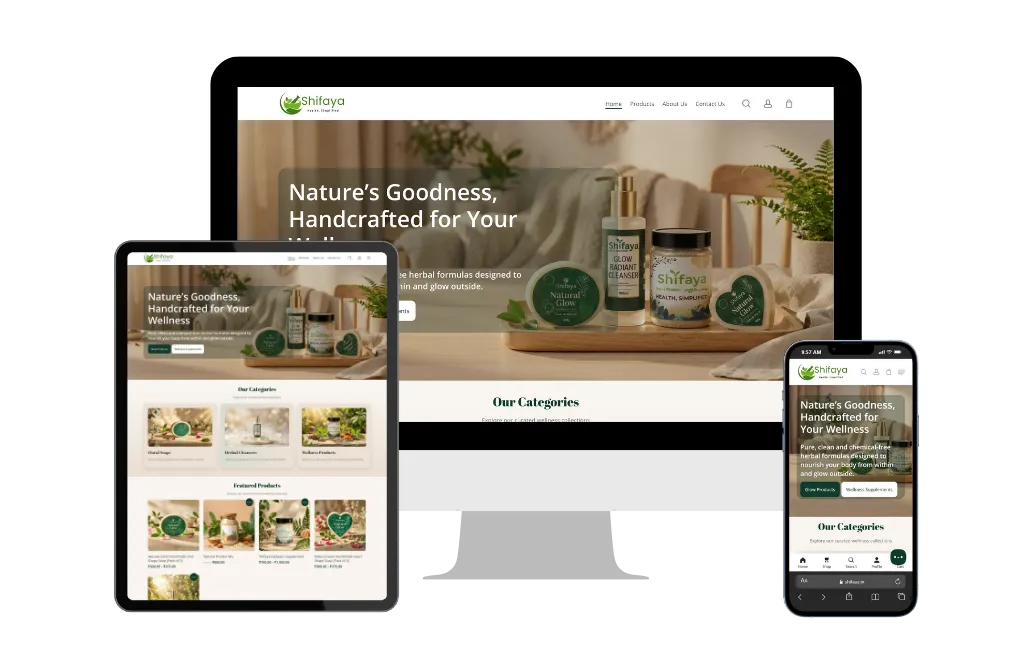
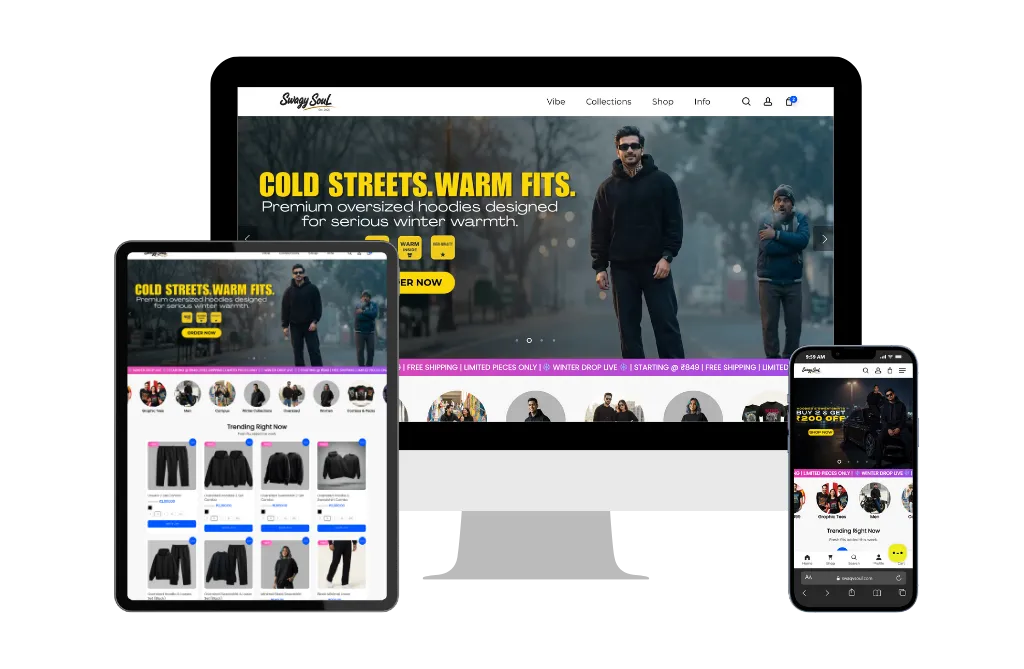
B2C / Ecommerce
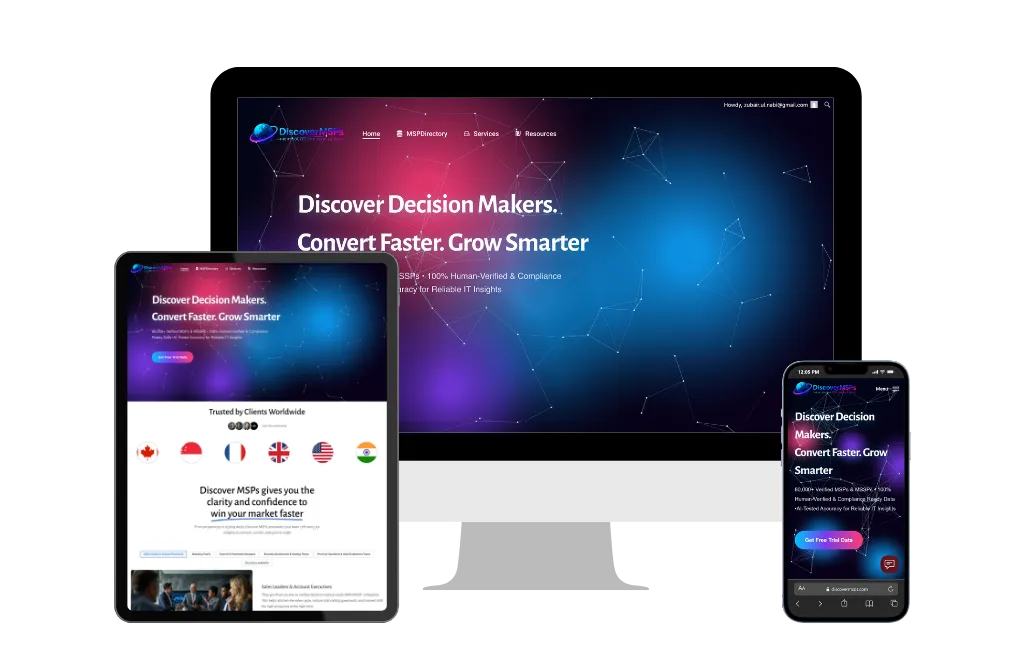
B2B
What Is On-Page SEO Service?
On-page SEO is the process of optimizing individual web pages to rank higher in search engines and attract relevant traffic. A true on page SEO service covers everything from meta tags and headings to internal linking, keyword placement, and page speed. When done right, it ensures your content makes sense to search engines and resonates with human visitors.
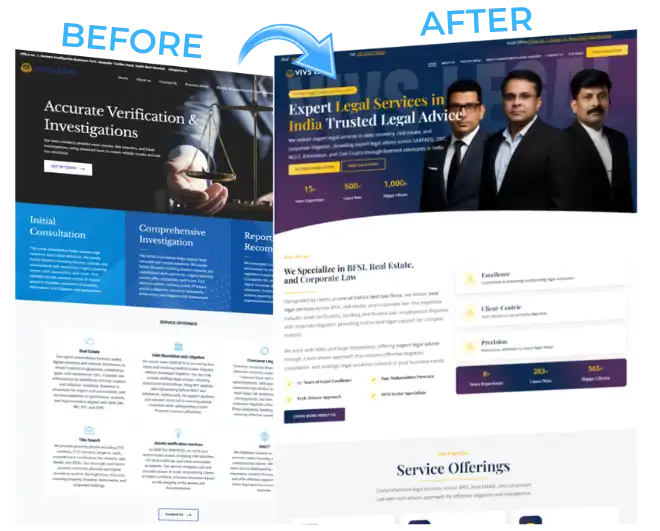
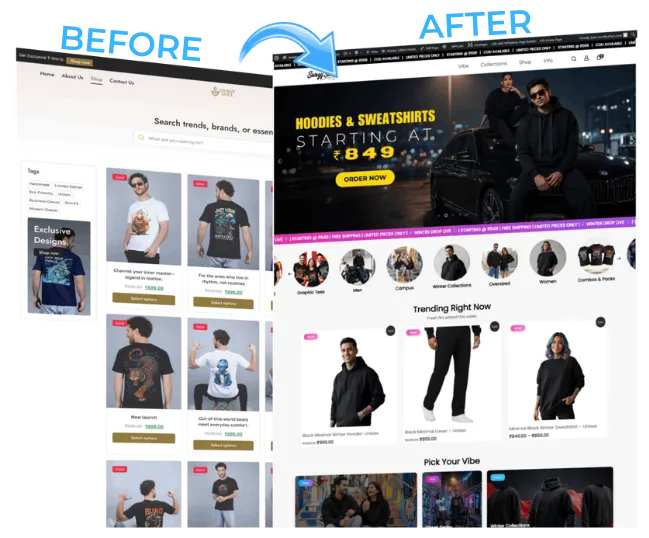
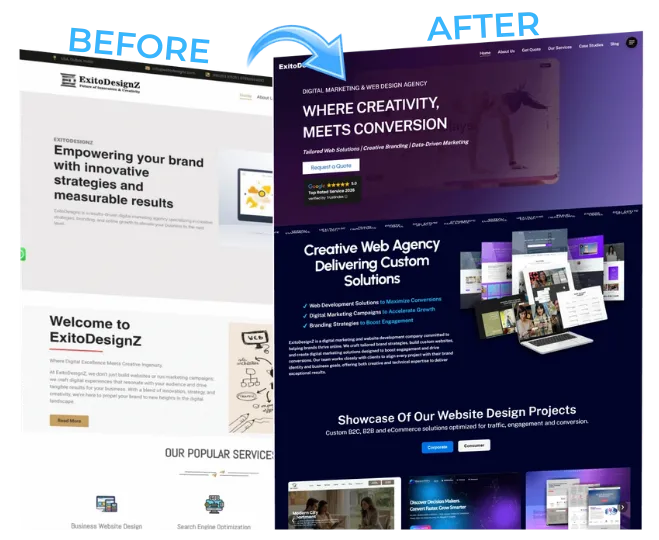
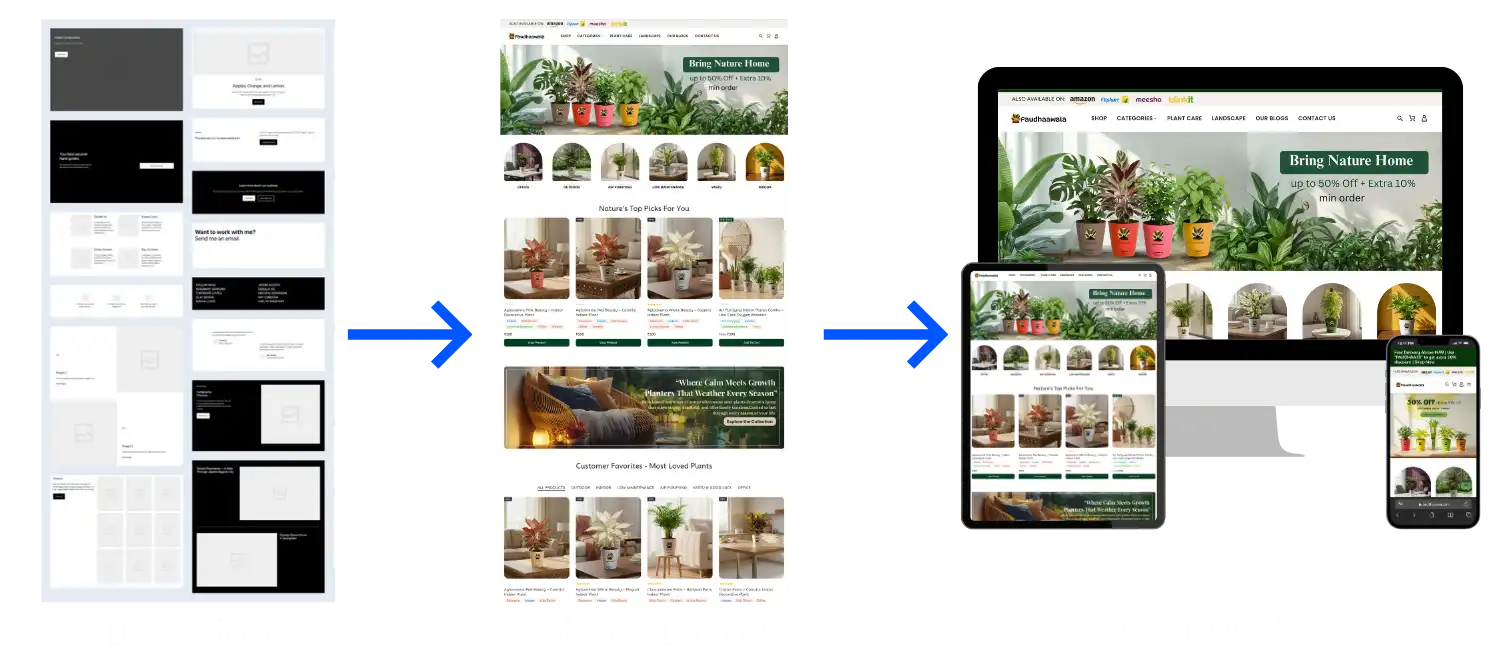
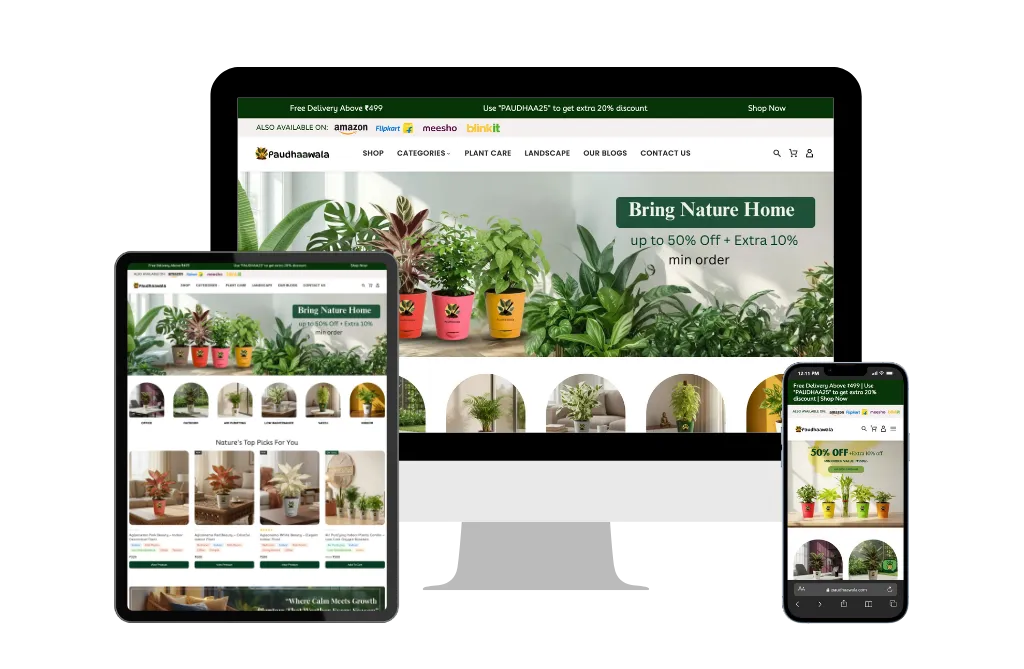
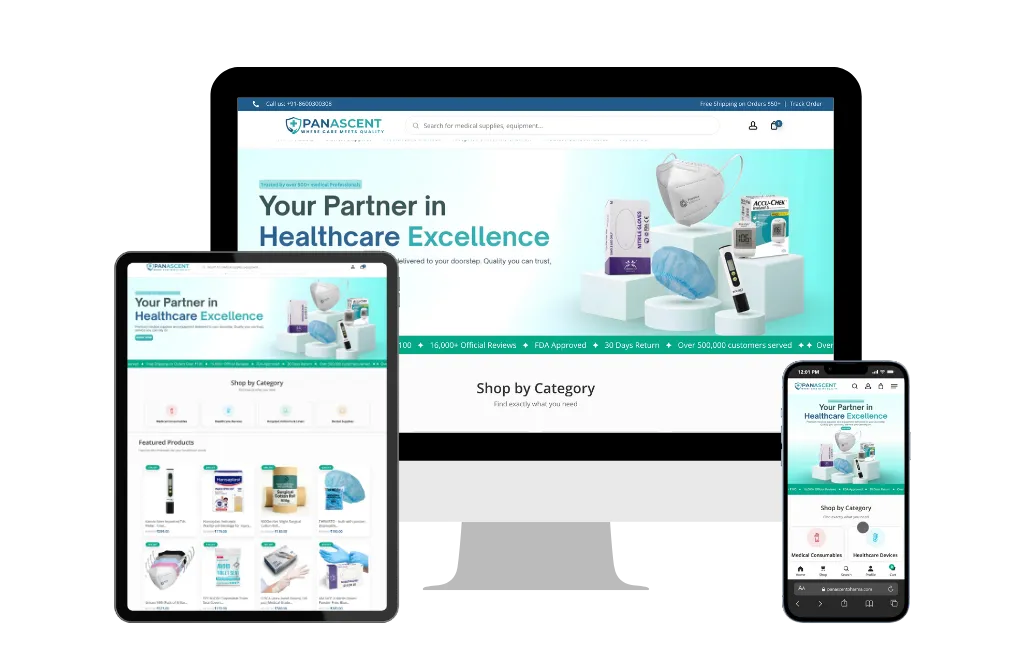
Before & After
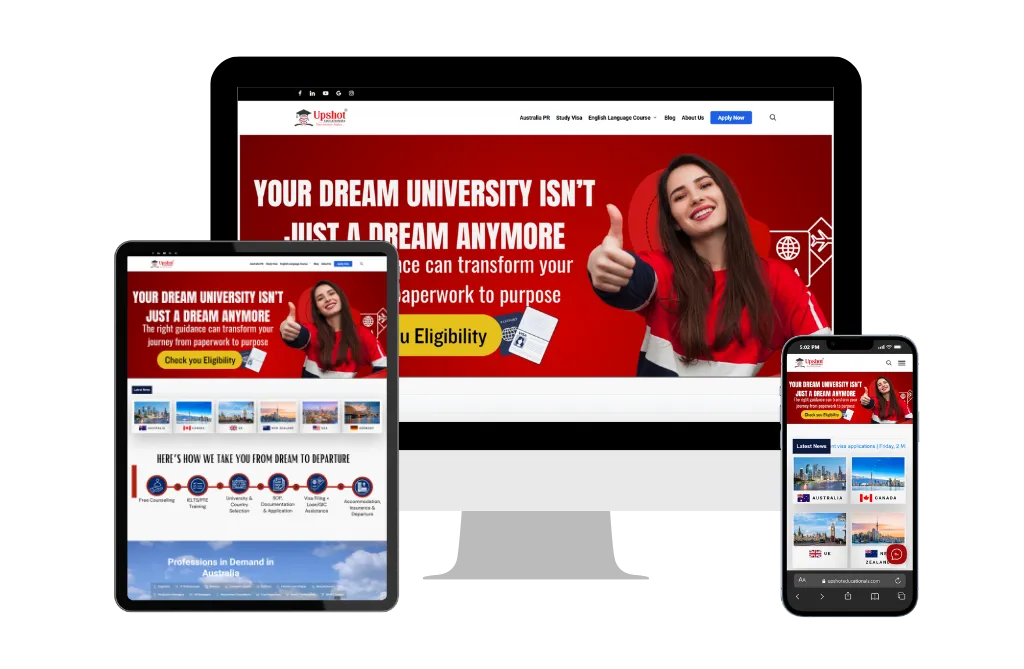
Swipe through client transformations improved hierarchy, clarity, speed, and conversion flow.
Custom Web Application Development Services
Sometimes, an off-the-shelf solution just doesn’t cut it. When your business has unique processes or specialized needs, you need tailor-made software.
Our custom web application development services are aimed at building powerful, scalable, and secure web apps from the ground up. Whether you need a complex customer portal, a specialized booking system, or an internal management tool, we focus on custom web application development that integrates seamlessly with your existing workflows and grows alongside your business.
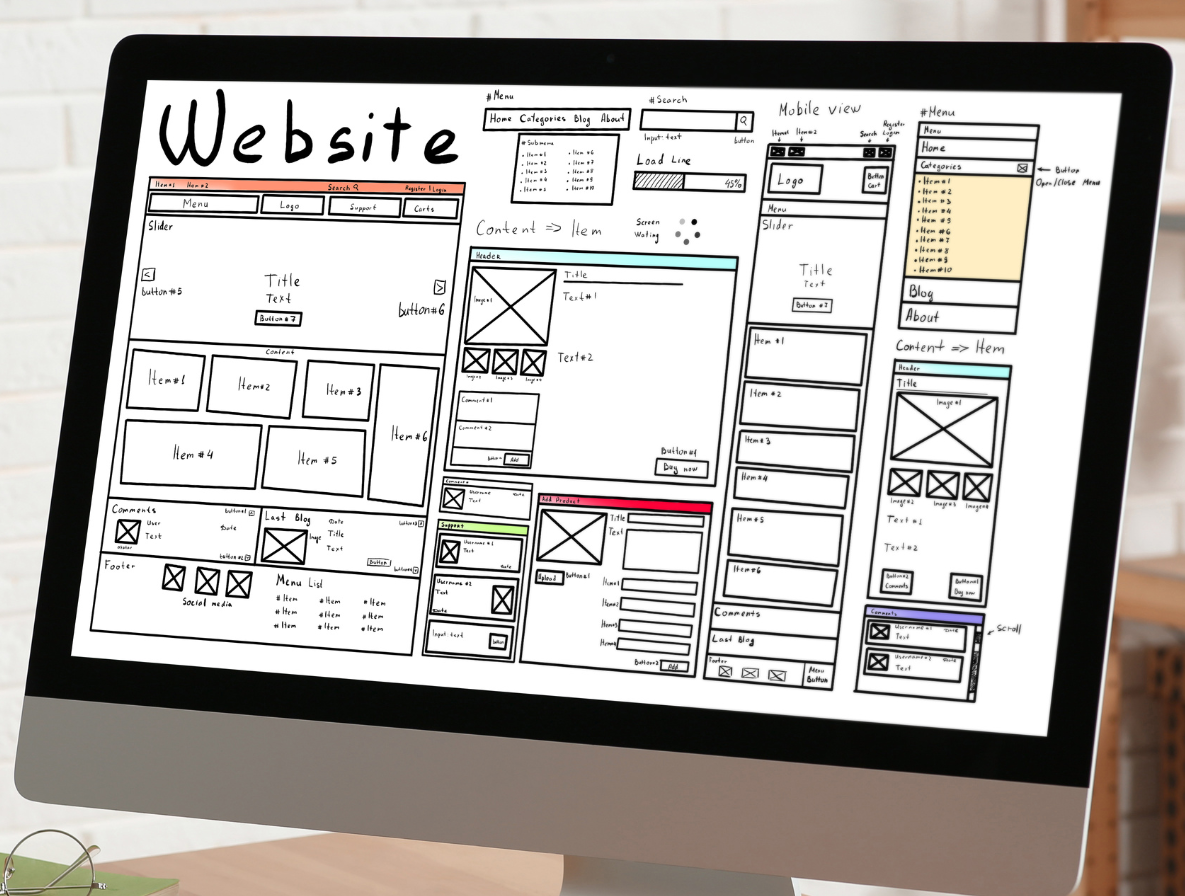
The Advantage of an SEO Web Developer
A beautiful website is useless if no one can find it. Unfortunately, many developers build sites that look great but are invisible to Google.
We do things differently. Our team includes expert seo web developers who understand that performance is a ranking factor. We build SEO best practices right into the foundation of your site clean code, fast load times, proper schema markup, and mobile optimization ensuring you have a head start in search rankings from launch day.
Responsive Web Design Services for All Devices
Nowadays, mobile isn’t just an option; it’s the priority. The majority of your users will likely visit your site from a smartphone.
Our responsive web design services ensure your website adapts perfectly to any screen size from massive desktop monitors to the smallest mobile phones. We prioritize “mobile-first” development, guaranteeing a seamless, engaging experience that keeps mobile users on your site longer.
Website Redesign Services for Modern Brands
Is your current website looking tired, outdated, or failing to convert? It might be driving potential customers away.
Our website redesign services go beyond a simple facelift. We analyze what’s not working on your current site, keep what is, and re-engineer your digital presence with modern aesthetics, improved user journeys, and better conversion paths.
Finding Expert Web Design and Development Services
While we work with clients globally, we understand the value of local connection. If you’ve been searching for high-quality web design and development near me, you need a team that understands not just the global web standards, but also the nuances of your local market. We provide world-class development with the personalized attention of a local agency.
Why Choose Tech Conversion for website design
Conversion-focused designs that bring more leads
01
Technical excellence from experienced developers
02
SEO-friendly websites that perform well on search engines
03
Clean, modern, and professional visuals
04
End-to-end support after launch
05
Whether you’re a startup or an established company, we’ll help you create a digital presence that makes you stand out.
“TechConversion transformed our entire B2B presence. Demo requests increased by 140%.”
– SaaS Founder
“Their B2B portal development saved our team 20+ hours weekly.”
– Manufacturing Company
“Professional, fast, and incredibly strategic. Best B2B website design agency we’ve worked with.”
– IT MSP Director
Got a Question? You’re Not Alone
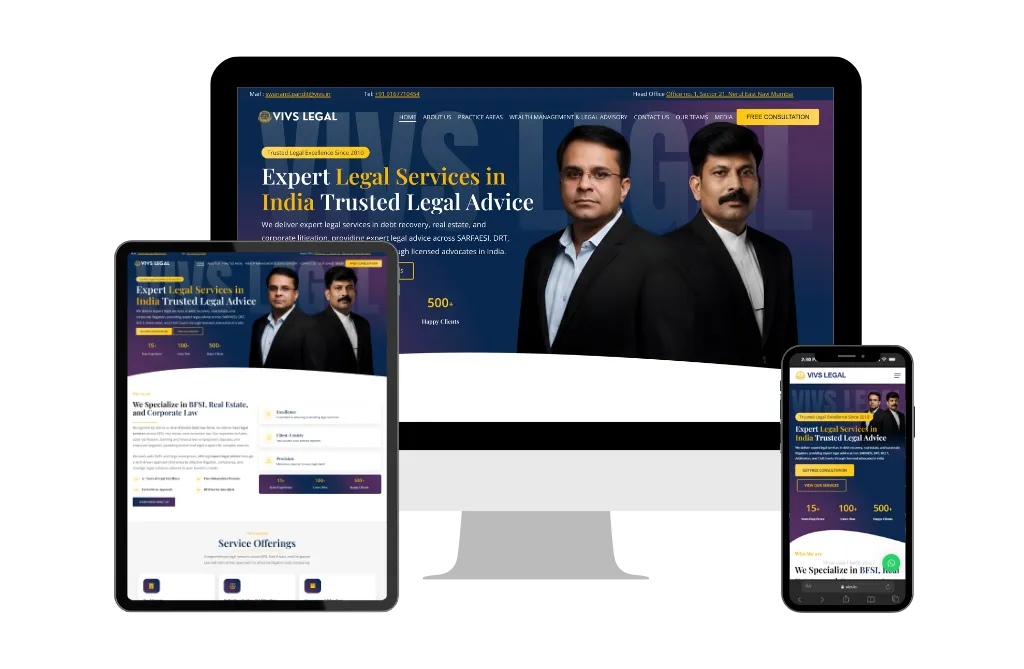
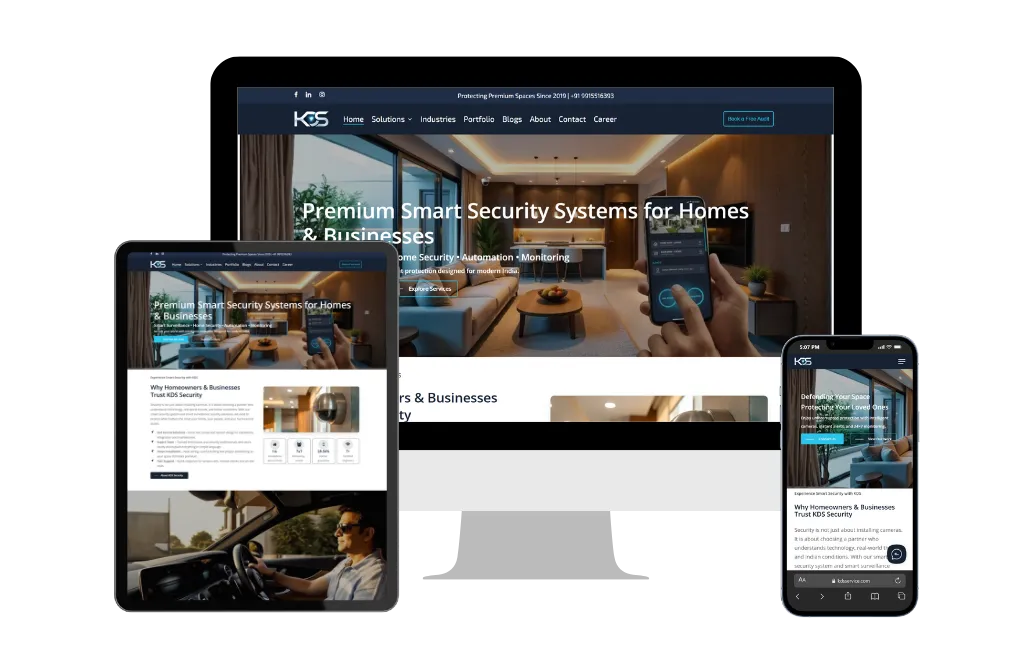
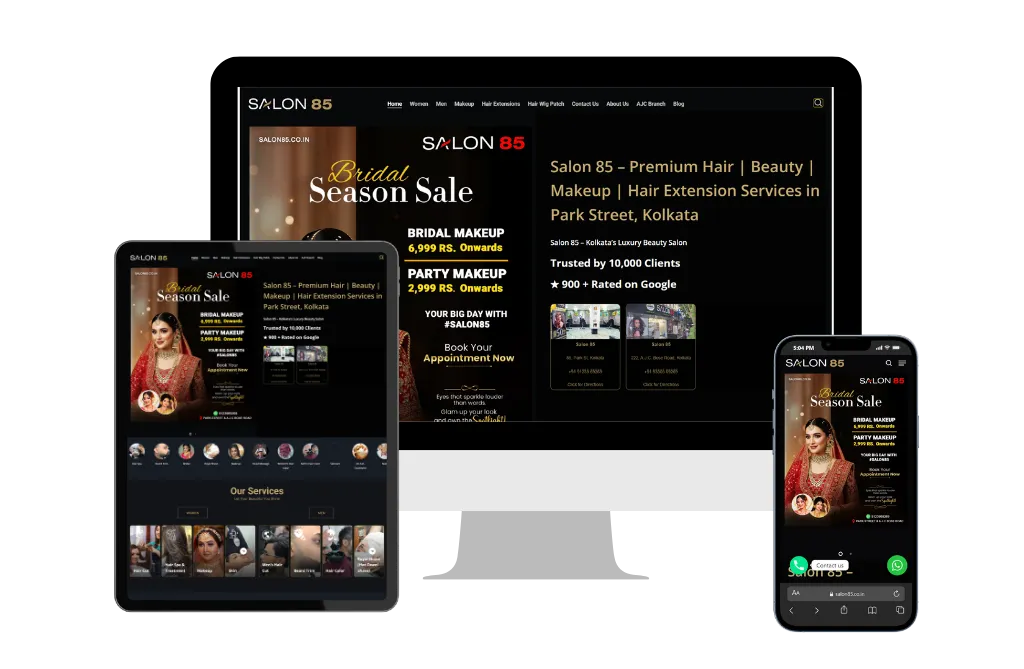
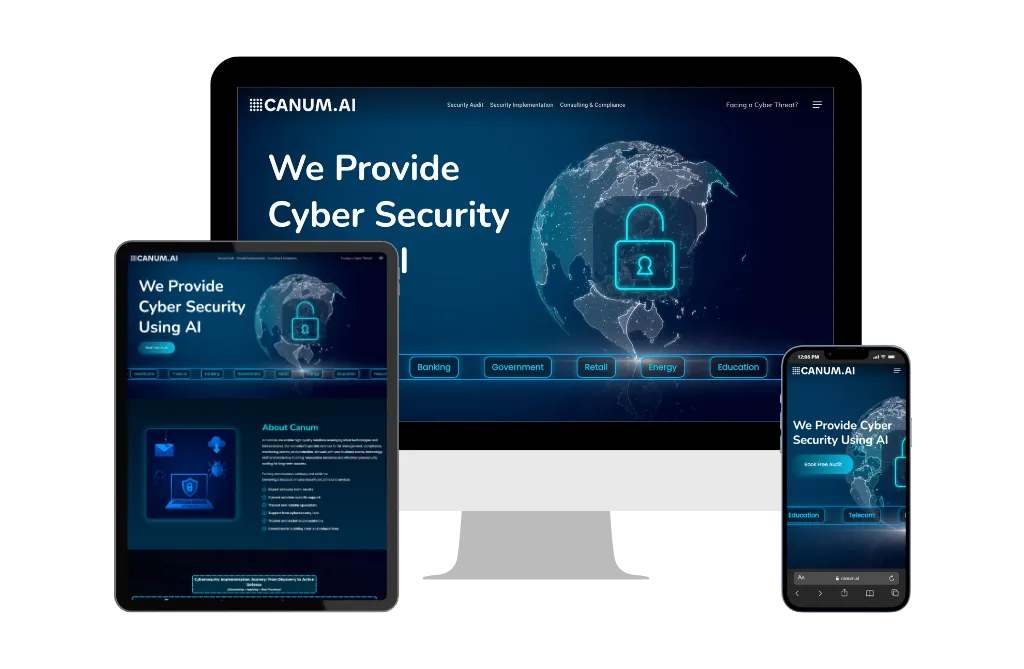
Frequantly Asked Questions
We build corporate websites, eCommerce stores, custom web applications, landing pages, and CMS-based sites using WordPress, Shopify, and custom code.
It depends on the complexity, typically 2–8 weeks for most business websites.
Yes, our SEO web developers ensure all websites are optimized for speed, content structure, and search rankings.
Absolutely! Our website redesign services enhance your site’s look, feel, and performance.
Yes, we offer regular website maintenance to keep your site secure, fast, and error-free.
All we do is win
Vivamus eu neque ut sem malesuada consectetur sed sed felis. Vestibulum ante ipsum primis in faucibus orci luctus et ultrices posuere cubilia Curae. ullam et eros ornare, porttitor urna sed, auctor lacus. Morbi viverra lorem at neque tincidunt consequat.
Praesent eget ullamcorper enim. Curabitur scelerisque mi dolor, eget egestas sem interdum eget. Etiam eros tortor, malesuada sed velit a, rhoncus congue elit.
Seriously, we doTarget Auidence
- Medium Businesses
- Freelance Designers
- College Students
- Sorta Athletes
- Dairy Farmers
Our Specialties
- Program Management
- Graphic & UI Design
- Customer Support
- Video Editing
- Sound Design
Notable Awards
- Top Customer Support
- Most Liked Company
- Best In Class 2016
- Friendliest Group
- Innovative Brand
Featured On
- ThemeNectar Show
- Mr. Nectar’s Blog
- Top WP Themes
- ThemeForest
- Salient
It’s time you regained
control over your website
Vivamus eu neque ut sem malesuada consectetur sed sed felis. Vestibulum ante ipsum primis in faucibus orci luctus et ultrices posuere cubilia Curae. ullam et eros ornare, porttitor urna sed.
Praesent eget ullamcorper enim. Curabitur scelerisque mi dolor, eget egestas sem interdum eget. Etiam eros tortor, malesuada sed velit.
Why Business Websites Need a Customer-Centric Design Strategy
Creating a website for your business requires more than just design it requires strategy. High-performing business websites must capture attention, communicate value clearly, and guide visitors toward action. Whether you need a website for small business or a scalable corporate platform, a customer-centric approach ensures better engagement, trust, and conversions.
Visual Clarity
Mobile-First Speed
Product Presentation
Checkout Flow
Brand Story
Scroll / drag / click ▲▼ to rotate
Eye-Catching Visuals with Simple Navigation
Consumers decide within seconds. Clean layouts, strong hierarchy, readable typography, and intuitive menus make your offer instantly understandable. A customer-centric UI reduces confusion, builds trust, and keeps visitors moving toward product discovery and purchase.
- Clear above-the-fold value + primary CTA
- Simple navigation (categories, search, filters)
- Trust signals placed near decision points
Fast-Loading, Mobile-First Experience
Most B2C traffic is mobile. Performance-optimized design (compressed media, efficient layouts, minimal bloat) improves engagement, reduces bounce, and supports SEO. Speed is a conversion feature.
- Mobile-first layouts and tap-friendly UI
- Optimized images/video + lazy loading
- Core Web Vitals aligned UX
Clear Product or Service Presentation
B2C customers need quick clarity: what it is, who it’s for, what it solves, and why it’s worth the price. Structured pages with benefit-led messaging make buying easier.
- Benefit-first headlines + scannable sections
- Strong visuals, pricing clarity, FAQs
- Social proof near the product details
Seamless Checkout or Inquiry Flow
Friction kills conversions. Simplify steps, remove distractions, and make the next action obvious. Every extra field or confusing choice increases drop-offs.
- Clean checkout, fewer fields, clear errors
- Multiple payment options + trust badges
- Fast inquiry/lead flow for service businesses
Engaging Storytelling & Brand Consistency
Consistent branding creates emotional recall. A cohesive story across visuals, copy, and micro-interactions makes your website feel premium and trustworthy—driving repeat visits and referrals.
- Consistent tone, visuals, and spacing
- Brand story that supports the offer
- Memorable design that builds loyalty